If you’ve recently had dental bonding — or you’re considering it — you’ve probably asked yourself: how long will this actually last? Does your dental bonding last 5 years or 10? Here’s what matters most in Lincoln Park: your daily habits, bite patterns, and the care you invest after treatment. At Advanced Dental Center – Lincoln Park, Dr. Armand del Rosario helps patients understand exactly what drives cosmetic results over time. This article breaks down the lifespan of dental bonding and what you can do to protect your investment.
What Is Dental Bonding and Why Does Longevity Vary?
Dental bonding uses a tooth-colored composite resin applied directly to the tooth surface. It’s one of the most versatile cosmetic treatments available. Bonding can fix chips, cracks, gaps, and discoloration in a single visit.
However, composite resin is not as hard as natural enamel or porcelain. That means it’s more vulnerable to wear and staining over time. The lifespan of bonding typically ranges from 3 to 10 years. That wide range depends almost entirely on how you use and care for your teeth.
Unlike Emergency Dentistry situations that demand immediate action, bonding longevity is something you influence every single day. Small habits compound into big results — or big problems — over the years.
The 5-Year vs. 10-Year Divide: What Makes the Difference in Lincoln Park
Patients in Lincoln Park who reach the 10-year mark with their bonding share common habits. They protect their teeth. They attend regular checkups. They avoid behaviors that stress the resin.
Patients who see bonding fail closer to the 3–5 year mark often have one or more of these risk factors:
- Grinding or clenching teeth (bruxism), especially at night
- Biting nails, chewing pens, or opening packages with teeth
- Frequent consumption of staining foods and drinks like coffee, tea, and red wine
- Missing routine dental cleanings and exams
- Using abrasive whitening toothpastes that wear down resin
None of these habits are permanent. With the right guidance from Dr. del Rosario, most patients can adjust their routines and dramatically extend their bonding results.
How Other Cosmetic Treatments Compare in Durability
Dental bonding is just one option in cosmetic dentistry. Understanding how it compares helps you set realistic expectations. Different treatments offer very different longevity profiles.
Here’s a quick comparison of common cosmetic treatments and their typical lifespans:
- Dental Bonding: 3–10 years, depending on habits and placement
- Dental Crowns: 10–15 years or longer with proper care
- Dental Veneers: 10–20 years with good oral hygiene
- Dental Implants: Potentially lifelong with proper maintenance
- Dental Bridges: 10–15 years on average
Bonding is often chosen because it’s affordable and non-invasive. But patients who want the longest-lasting results sometimes graduate to crowns or veneers. Dr. del Rosario can help you decide which option fits your goals and lifestyle in Lincoln Park.
Patient Habits That Most Affect Dental Bonding Durability
The most important factor in bonding longevity is patient behavior. No material lasts if it’s constantly stressed or neglected. Here’s what Dr. del Rosario recommends to every bonding patient.
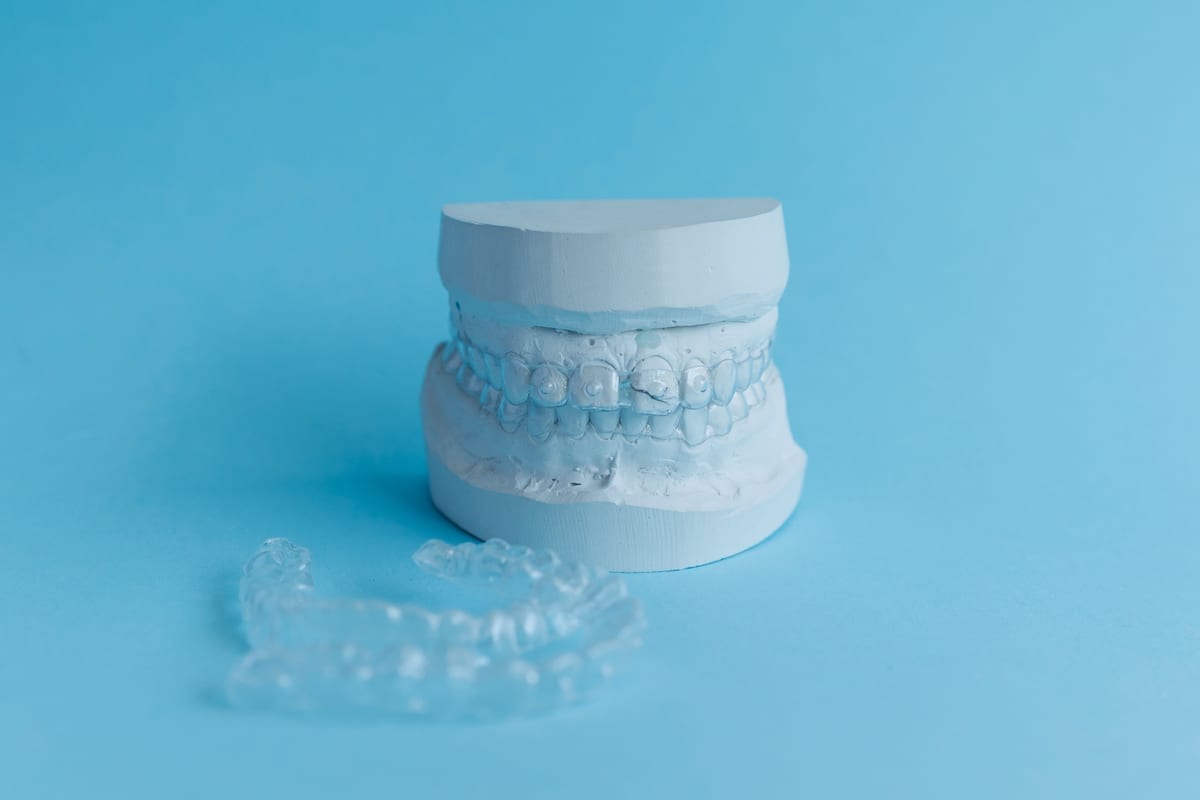
Protect your bite. If you grind your teeth at night, a custom nightguard is essential. Bruxism creates forces that composite resin simply cannot withstand long-term. Many Lincoln Park patients don’t realize they grind until damage appears.
Watch what you bite. Bonding is strong enough for normal chewing. But biting hard candy, ice, or non-food items puts extreme pressure on resin. These habits cause chips and cracks that shorten bonding life significantly.
Manage staining habits. Composite resin absorbs pigment from dark foods and drinks. Rinsing with water after coffee or wine helps. Avoiding tobacco products is also critical — they stain resin quickly and permanently.
Stay consistent with dental visits. Professional cleanings remove buildup that erodes bonding edges over time. Your dentist also checks bonding integrity at each visit. Early intervention prevents small issues from becoming full replacements.
If you ever experience sudden sensitivity or notice a chip, that’s a signal to act quickly. Conditions like cracked teeth can sometimes require treatment similar to a Root Canal Treatment if left unaddressed. Catching problems early keeps treatment options simple.
What to Expect When Bonding Needs Repair or Replacement
Even with excellent care, bonding will eventually need attention. The good news is that repairs are often simple and affordable. In many cases, Dr. del Rosario can touch up or reapply bonding in a single appointment.
Signs your bonding may need attention include:
- Visible chips or rough edges on the bonded tooth
- Noticeable discoloration that doesn’t polish away
- Sensitivity when biting or consuming hot and cold items
- A feeling that the bite has shifted or feels uneven
Don’t wait until the bonding fully fails. Small repairs are much easier than complete replacements. Scheduling a quick evaluation at Advanced Dental Center – Lincoln Park keeps your smile looking great longer.
Building a Long-Term Smile Plan in Lincoln Park
Dental bonding works best as part of a broader smile maintenance strategy. Think of it as one tool in a larger toolkit. Your overall oral health directly impacts how well any cosmetic treatment performs.
Dr. del Rosario takes a whole-mouth approach with every patient. He evaluates gum health, bite alignment, and tooth structure before recommending cosmetic work. Healthy foundations make cosmetic results last longer.
For patients with gum disease or alignment issues, treating those conditions first is always the priority. Bonding applied over an unhealthy foundation won’t last — regardless of how carefully you follow aftercare instructions.
Whether you’re in the early stages of cosmetic planning or you need to refresh existing work, Advanced Dental Center – Lincoln Park is here to help. Book Now to schedule your appointment with our team.
Frequently Asked Questions
How long does dental bonding typically last?
Dental bonding typically lasts between 3 and 10 years. The exact lifespan depends on where the bonding is placed, how you care for it, and your daily habits like diet and teeth grinding. Patients who follow their dentist’s aftercare advice consistently tend to see the longest results.
Can dental bonding be repaired if it chips?
Yes, dental bonding is one of the easier cosmetic treatments to repair. In most cases, a dentist can touch up a chip or rough edge in a single appointment. Catching damage early makes repairs much simpler and less costly than full replacement.
Does bonding stain over time?
Composite resin used in bonding can absorb pigment from foods and drinks over time. Coffee, tea, red wine, and tobacco are the most common culprits. Rinsing with water after staining beverages and attending regular cleanings helps minimize discoloration.
Is dental bonding a good long-term cosmetic option?
Dental bonding is an excellent option for patients seeking affordable and minimally invasive cosmetic improvement. However, it requires more maintenance than options like veneers or crowns. Discussing your lifestyle and long-term goals with Dr. del Rosario helps determine if bonding is the right fit for you.
How often should I see my dentist if I have dental bonding?
Patients with dental bonding should maintain their regular checkup schedule — typically every six months. Your dentist will check the bonding edges, polish any surface staining, and identify early signs of wear or damage before they become bigger problems.