Dental implants are one of the most life-changing procedures in modern dentistry. But the surgery itself is only the beginning. Understanding what to expect after dental implant surgery — your recovery roadmap in Ecorse — helps you heal faster and protect your investment. At Advanced Dental Center – Lincoln Park, Dr. Armand del Rosario guides every patient through a clear, step-by-step recovery plan. This article walks you through exactly what happens after implant placement so you can feel confident every step of the way.
Your Dental Implant Recovery Timeline in Ecorse
Recovery from dental implant surgery is not a single event. It unfolds in stages over several months. Knowing each phase helps you stay calm and prepared throughout the process.
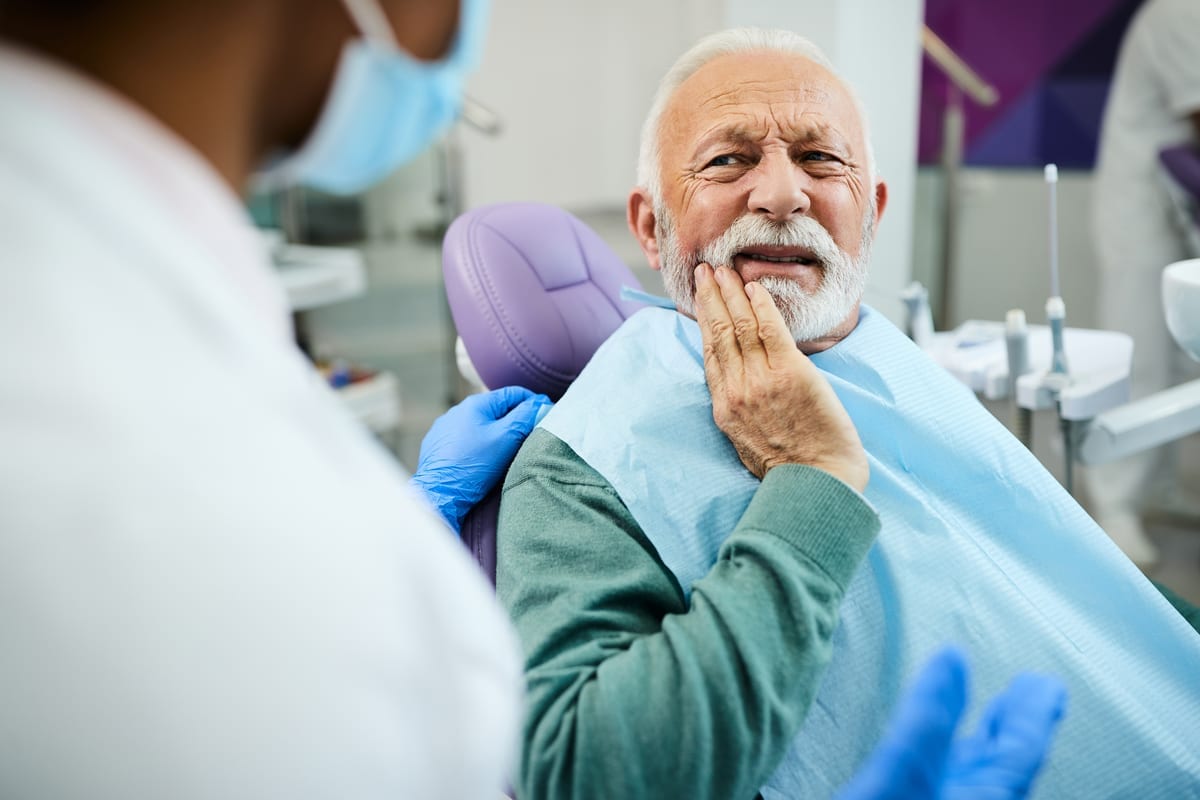
The first 24 to 48 hours are the most intense. You will likely experience swelling, minor bleeding, and soreness around the implant site. These symptoms are completely normal and expected.
By the end of week one, most patients notice significant improvement. Swelling starts to subside, and discomfort becomes more manageable. Most people return to light daily activities within two to three days.
The deeper healing phase — called osseointegration — takes three to six months. During this time, your jawbone fuses with the titanium implant post. This biological bonding is what makes implants so durable and stable long-term.
Managing Pain and Swelling After Your Implant Procedure
Pain management after dental implant surgery is straightforward when you follow your dentist’s guidance. Dr. del Rosario will provide specific aftercare instructions tailored to your situation. Never skip these recommendations, even if you feel fine right away.
Here are effective strategies to manage discomfort during your Ecorse recovery:
- Take prescribed or recommended over-the-counter pain relievers on schedule
- Apply an ice pack to your cheek for 15 minutes on and 15 minutes off during the first 24 hours
- Keep your head elevated, especially when sleeping, to reduce swelling
- Avoid rinsing vigorously or spitting forcefully for the first 24 hours
- Gently rinse with warm salt water starting on day two
- Avoid smoking or using tobacco products during the entire healing period
Swelling typically peaks around day two or three. After that, it gradually decreases. If swelling worsens beyond day four or you develop a fever, contact your dental office promptly.
Serious complications are rare, but persistent pain or signs of infection need immediate attention. In those situations, Emergency Dentistry services are available to address urgent concerns quickly and safely.
What to Eat During Your Implant Recovery
Your diet plays a critical role in how well and how fast you heal. Eating the right foods protects the surgical site and supports your body’s natural repair process. The wrong foods can disrupt healing or even damage the implant.
During the first week, stick entirely to soft, cool, or lukewarm foods. Avoid anything hard, crunchy, chewy, or extremely hot. These can irritate the implant area and slow healing.
Great food choices for the first one to two weeks include:
- Yogurt, smoothies, and protein shakes
- Mashed potatoes, scrambled eggs, and soft tofu
- Lukewarm soups and broths
- Applesauce, bananas, and soft cooked vegetables
- Oatmeal and soft-cooked pasta or rice
After two weeks, most patients can gradually reintroduce semi-solid foods. Always chew on the opposite side of your mouth from the implant site. Dr. del Rosario will advise when it is safe to return to a fully normal diet.
Staying well-hydrated is equally important. Drink plenty of water throughout the day. Avoid alcohol, carbonated beverages, and using straws, especially in the first few days.
Oral Hygiene and Long-Term Care for Your Dental Implant
Keeping your implant clean is essential from day one. Good oral hygiene prevents infection and supports the osseointegration process. It also protects the surrounding gum tissue and natural teeth.
For the first week, brush gently around the implant site. Use a soft-bristled toothbrush and avoid scrubbing directly on the surgical area. After the first week, you can carefully clean the implant crown just as you would a natural tooth.
Long-term care habits that protect your implant include:
- Brushing twice daily with a soft-bristled toothbrush
- Flossing daily, using implant-specific floss or an interdental brush
- Attending regular professional cleanings every six months
- Wearing a night guard if you grind your teeth
- Avoiding chewing ice or very hard foods that could fracture the crown
Gum health is especially important around implants. Gum disease can compromise the bone supporting your implant and lead to implant failure over time. If you notice any gum sensitivity or bleeding, let your dentist know right away.
Some patients also ask about Root Canal Treatment for nearby natural teeth during their implant journey. Addressing adjacent tooth health ensures your overall oral environment supports successful healing.
When to Call Your Dentist During Implant Recovery
Most implant recoveries go smoothly. However, knowing the warning signs of complications helps you act quickly if something feels off. Early intervention protects your implant and your overall oral health.
Contact Advanced Dental Center – Lincoln Park right away if you experience any of the following:
- Increasing pain or swelling after day three or four
- Signs of infection such as fever, pus, or bad taste in your mouth
- Numbness or tingling that does not resolve within a day or two
- The implant site feels loose or the implant shifts
- Difficulty opening your mouth or biting
These signs are uncommon, but they should never be ignored. Quick action can mean the difference between saving and losing an implant. Dr. del Rosario and the team are always ready to evaluate any concerns you have during recovery.
Start Your Recovery on the Right Foot in Ecorse
Dental implant surgery is a significant step toward a healthier, more confident smile. Recovery takes patience, but the results are absolutely worth it. Following your recovery plan closely gives your implant the best possible chance for long-term success.
At Advanced Dental Center – Lincoln Park, Dr. Armand del Rosario and the team are committed to supporting Ecorse patients through every stage of the implant journey. You will never feel like you are navigating recovery alone. Personalized care and clear guidance are always part of the experience.
Ready to take the next step toward a complete, lasting smile? Book Now to schedule your appointment with our team.
Frequently Asked Questions
How long does dental implant recovery take?
Initial healing from dental implant surgery takes about one to two weeks. However, the full osseointegration process — where the implant fuses with your jawbone — takes three to six months. Your dentist will monitor your progress throughout this period.
Is dental implant surgery painful?
Most patients report that the procedure itself is well-managed with local anesthesia. Post-surgery discomfort is usually mild to moderate and is controlled with over-the-counter or prescribed pain relievers. Swelling and soreness typically peak within 48 hours and then gradually improve.
What foods should I avoid after getting a dental implant?
Avoid hard, crunchy, chewy, or extremely hot foods for the first one to two weeks. Foods like chips, nuts, hard bread, and sticky candies can disturb the healing site. Soft, lukewarm foods are your best choice during early recovery.
Can I brush my teeth normally after dental implant surgery?
You should brush gently during the first week and avoid the surgical area directly. After the site begins to heal, you can carefully clean around the implant crown. Use a soft-bristled toothbrush and implant-specific floss for the best long-term results.
What are the signs that my dental implant is failing?
Warning signs include increasing pain or swelling after the first few days, signs of infection like fever or pus, a loose or shifting implant, and difficulty biting. Contact your dentist immediately if you notice any of these symptoms, as early treatment greatly improves outcomes.