If your dentures once fit perfectly but now feel loose or uncomfortable, you are not alone. Many patients in Lincoln Park ask why their dentures stop fitting and what to do about it. The answer almost always comes down to one natural process: bone resorption. Understanding this process helps you take the right steps before problems get worse. At Advanced Dental Center – Lincoln Park, Dr. Armand del Rosario helps patients navigate this exact challenge every day.
Why Dentures Stop Fitting Over Time in Lincoln Park
When you lose teeth, the bone that once supported them begins to shrink. This process is called bone resorption. It happens gradually, but it is continuous and unavoidable without intervention. Over months and years, the shape of your jaw changes significantly.
Dentures are shaped to fit your jaw at the time they are made. As the bone beneath them shrinks, that original fit no longer matches your current jaw shape. This mismatch creates looseness, slipping, and sore spots. It can also make chewing and speaking more difficult.
Studies suggest the jaw can lose noticeable bone volume within the first year after tooth loss. The process continues throughout your life. That is why even dentures that fit beautifully at first will eventually need adjustment or replacement. Knowing this helps you set realistic expectations and plan ahead.
Signs Your Dentures No Longer Fit Properly
It is important to recognize the warning signs early. Catching fit problems sooner leads to simpler, less costly solutions. Here are the most common signs that your dentures need attention:
- Dentures slip or move when you eat or speak
- Sore spots, irritation, or red patches on your gums
- Clicking sounds when your mouth moves
- Food getting trapped under your dentures frequently
- Difficulty chewing foods you used to manage easily
- Your bite feels uneven or uncomfortable
- You need more and more adhesive to keep them in place
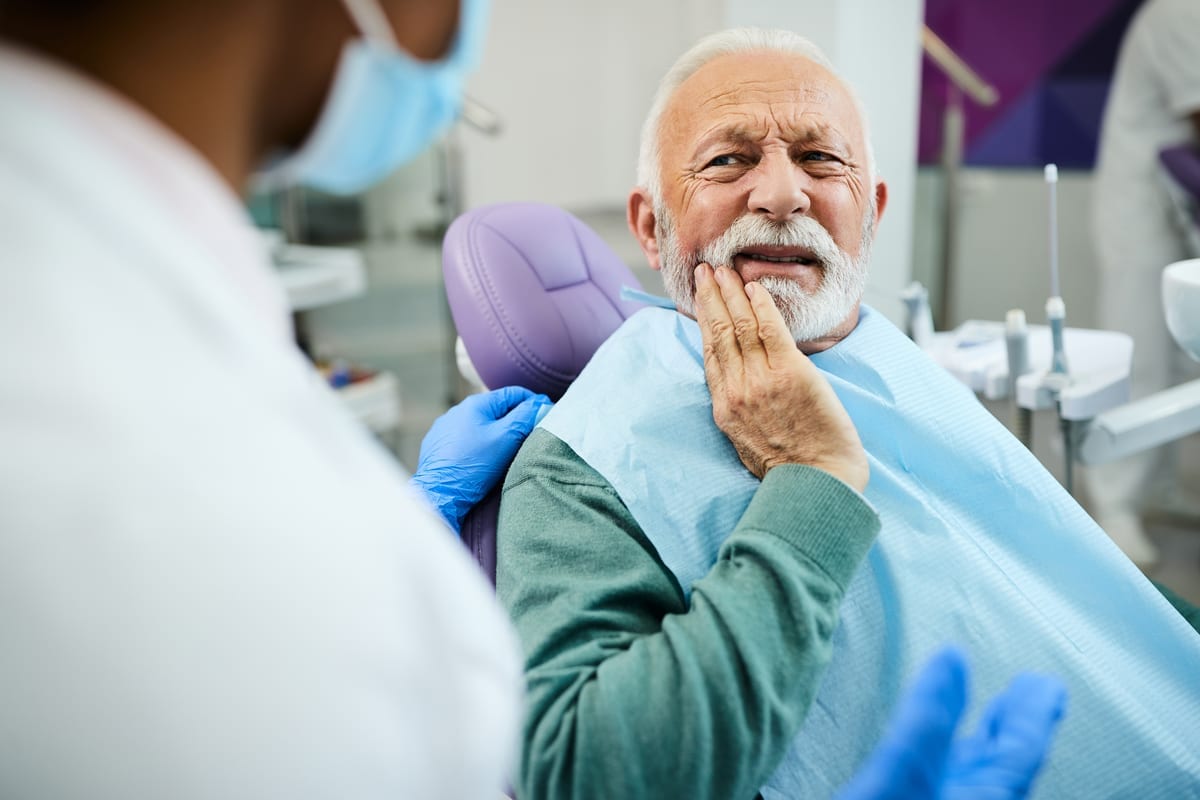
If you are experiencing any of these symptoms, do not wait. Using excessive adhesive is a short-term fix, not a solution. Continued use of ill-fitting dentures can accelerate bone loss and damage the gum tissue further.
What to Do About Ill-Fitting Dentures: Relining, Rebasing, and Replacement
Understanding why your dentures stop fitting and what to do about it in Lincoln Park starts with knowing your options. There are three primary solutions depending on how much your jaw has changed and how old your dentures are.
Denture Relining
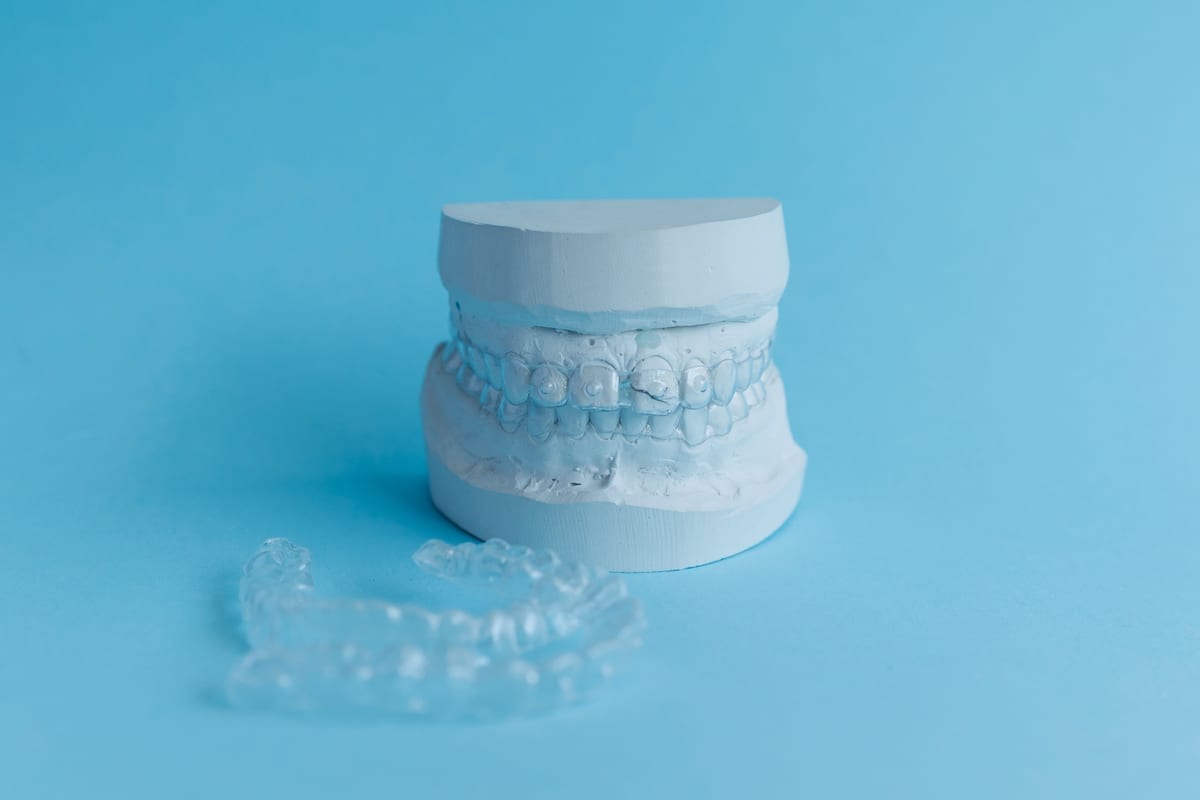
Relining adds new material to the underside of your denture. This reshapes the fitting surface to match your current gum contours. It is the least invasive option and works well for dentures that are still structurally sound. Relining can be done in-office or with a lab-processed reline for longer-lasting results.
Denture Rebasing
Rebasing replaces the entire base of the denture while keeping your existing teeth. This is a good choice when the base material has worn down but the teeth themselves are still in good shape. It provides a stronger foundation than a simple reline. A dentist must evaluate whether rebasing or relining is more appropriate for your situation.
Full Denture Replacement
Dentures typically last between five and ten years with proper care. After that period, replacement is usually the best option. A new set of dentures is made to fit your jaw as it currently exists. This gives you the best possible fit and function moving forward.
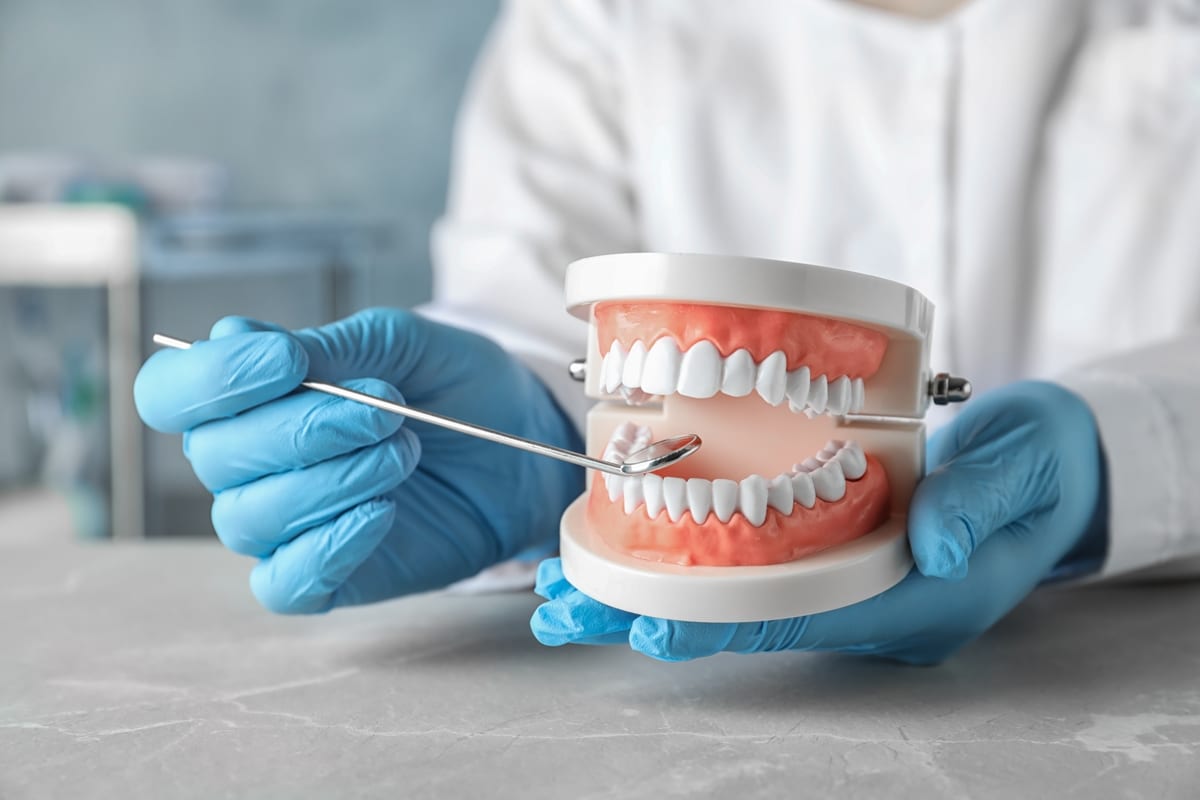
Dr. del Rosario will examine your dentures and your jaw carefully before recommending any of these options. The right choice depends on your individual anatomy, the age of your dentures, and your overall oral health.
Dental Implants as a Long-Term Solution
One of the most effective ways to address bone resorption is with dental implants. Implants are titanium posts placed directly into the jawbone. They mimic natural tooth roots and actually stimulate the bone, slowing or stopping the resorption process. This is a key advantage that traditional dentures simply cannot offer.
Implant-supported dentures are an increasingly popular option. They snap onto implants placed in the jaw, providing a secure and stable fit. They eliminate the slipping and discomfort associated with conventional dentures. Many patients describe the difference as transformative.
Not everyone is an immediate candidate for implants. Dr. del Rosario will assess your bone density and overall health to determine if implants are right for you. Even patients with some bone loss may qualify after a bone grafting procedure.
How Often Should You Have Your Dentures Checked?
Even if your dentures feel fine, regular checkups are essential. Fit changes happen slowly, so you may not notice them until the problem is significant. Here is a simple schedule to follow:
- Visit your dentist at least once per year for a denture checkup
- Have your gums and jaw bone evaluated at every visit
- Schedule an earlier appointment if you notice any of the warning signs listed above
- Bring your dentures to every appointment, even if you are there for another concern
Regular visits also allow Dr. del Rosario to screen for oral cancer, gum disease, and other conditions. Patients without natural teeth can still develop serious oral health issues. Staying consistent with checkups protects your overall health, not just your denture fit.
Advanced Dental Center – Lincoln Park also offers Emergency Dentistry Lincoln Park services for patients experiencing sudden denture breakage, severe gum irritation, or unexpected oral pain. You do not have to suffer through a dental emergency. Same-day and urgent care appointments are available for situations that cannot wait.
Caring for Your Dentures to Extend Their Life
Proper care will not stop bone resorption, but it will extend the life of your dentures. It also keeps your gums healthier, which supports a better overall fit. Follow these daily care habits:
- Remove and rinse dentures after every meal
- Brush dentures gently with a soft brush and denture cleaner — never regular toothpaste
- Soak dentures overnight in a denture-cleaning solution or plain water
- Rinse your mouth and gums thoroughly before reinserting dentures each morning
- Handle dentures over a folded towel or sink filled with water to prevent breakage if dropped
Avoid using hot water on your dentures. Heat can warp the material and cause a poor fit. Also avoid harsh abrasives that can scratch the surface. Scratches harbor bacteria and contribute to odor and discoloration.
Conclusion: Take Action Before the Problem Gets Worse
Understanding why your dentures stop fitting and what to do about it in Lincoln Park puts you in a much better position. Bone resorption is natural, but its effects on your denture fit are manageable. Whether you need a simple reline, a full replacement, or a more permanent solution like implants, help is available. Dr. Armand del Rosario and the team at Advanced Dental Center – Lincoln Park are here to guide you through every option with care and expertise. Book Now to schedule your appointment with our team.
Frequently Asked Questions
How long do dentures typically last before needing replacement?
Most dentures last between five and ten years with proper care. However, the fit may change sooner due to bone resorption. Annual checkups allow your dentist to catch fit issues early and recommend relining or rebasing before a full replacement becomes necessary.
Can ill-fitting dentures cause health problems beyond discomfort?
Yes, they can. Loose dentures can cause sore spots, gum inflammation, and accelerated bone loss. They may also affect your nutrition if chewing becomes too difficult. Over time, untreated fit problems can lead to more complex oral health issues that require more involved treatment.
Is denture relining painful?
Denture relining is not painful. The procedure reshapes the underside of your existing denture with new material. There is no drilling and no injections required. Most patients find the process straightforward and comfortable, with improved fit noticeable right away.
Are implant-supported dentures a better option than traditional dentures?
For many patients, yes. Implant-supported dentures offer superior stability and help preserve jawbone density over time. They eliminate the slipping and discomfort of conventional dentures. However, implants require sufficient bone and good overall health, so a thorough evaluation with your dentist is the first step.
What should I do if my denture breaks suddenly?
Do not try to repair a broken denture at home with glue or adhesives. This can damage the denture permanently and harm your gum tissue. Contact Advanced Dental Center – Lincoln Park as soon as possible. The practice offers urgent dental care for situations like unexpected denture damage that need prompt attention.