THE CARE BEHIND A HEALTHY SMILE
Dental Exams & Teeth Cleaning Lincoln Park
- LaKya Hanna
5.0

Healthy teeth and gums need more than daily brushing and flossing. Plaque can accumulate in hard-to-reach areas, and some dental problems develop without noticeable symptoms. Regular dental exams and professional teeth cleanings help identify concerns early and support long-term oral health. At Advanced Dental Center – Lincoln Park, we provide preventive dental care to help patients maintain healthy, confident smiles. Dr. Armand del Rosario and our dental team focus on evaluating your oral health, removing harmful buildup, and recommending preventive care based on your needs. Located at 3611 Fort St, Lincoln Park, MI 48146, our dental office welcomes patients from Lincoln Park and nearby Downriver communities.
Why Are Regular Dental Exams and Teeth Cleanings Important?
Even when your teeth feel healthy, dental problems may be developing beneath the surface. Cavities, gum inflammation, and early periodontal disease do not always cause immediate pain or obvious symptoms.
Routine dental visits allow your dentist to examine your teeth, gums, and surrounding oral structures. Professional cleanings also remove plaque and hardened tartar that cannot be eliminated through brushing alone.
Regular preventive dental care can help:
- Detect cavities before extensive damage develops.
- Identify early signs of gum disease.
- Remove plaque and tartar buildup.
- Reduce the risk of certain dental infections.
- Evaluate existing fillings, crowns, and other restorations.
- Identify unusual changes in oral tissues.
- Maintain healthier teeth and gums over time.
At Advanced Dental Center – Lincoln Park, we encourage patients to view preventive visits as an important part of their overall oral health routine.
What Happens During a Comprehensive Dental Exam?
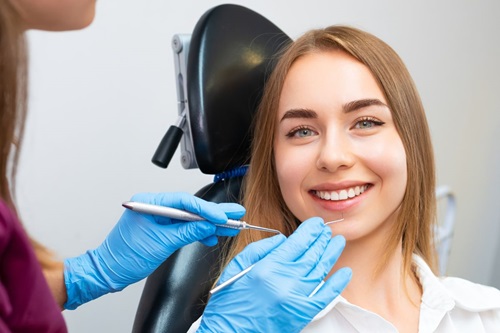
A dental examination involves more than checking for cavities. Your dentist evaluates several aspects of your oral health to identify existing problems and potential risk factors.
Examination of Your Teeth
Your dentist checks for signs of tooth decay, fractures, enamel wear, and damaged restorations. Small cavities or cracks may not cause discomfort initially, making routine examinations important. If a problem is identified, our dentist will explain the findings and discuss whether treatment or monitoring is appropriate.
Gum Health Evaluation
Healthy gums provide essential support for your teeth. During your examination, the dental team looks for inflammation, bleeding, gum recession, and other signs of periodontal disease. Gum measurements may be taken to evaluate the spaces between your teeth and gums. These findings help determine whether routine cleaning or periodontal treatment is appropriate.
Oral Cancer Screening
Your dentist may examine your lips, tongue, cheeks, gums, and other oral tissues for unusual changes. Persistent sores, unexplained lumps, and changes in tissue appearance may require further evaluation. An oral screening does not diagnose cancer, but it can help identify findings that need additional attention.
Bite and Jaw Evaluation
Your bite influences how your teeth come together when chewing and speaking. Your dentist may assess tooth wear, jaw movement, and symptoms associated with clenching or grinding. If you report jaw discomfort or frequent headaches, additional evaluation may be recommended.
Dental X-Rays When Needed
Dental X-rays help identify concerns that cannot always be detected through a visual examination. These may include decay between teeth, bone changes, infections, and problems involving tooth roots. The need for X-rays depends on your oral health, age, dental history, and individual risk factors. Not every patient requires X-rays at every appointment.
What Is Professional Teeth Cleaning?
Professional teeth cleaning, also called dental prophylaxis, is a preventive procedure that removes plaque, tartar, and certain surface stains from your teeth.
Plaque is a sticky film containing bacteria that forms naturally on teeth. If it is not removed effectively, plaque can harden into tartar, also known as dental calculus.
Once tartar develops, brushing and flossing cannot remove it completely. Dental professionals use instruments designed to safely remove these deposits.
Professional cleaning helps maintain healthier gums and makes daily oral hygiene more effective.
What Happens During a Professional Dental Cleaning?
The exact cleaning procedure depends on your gum health and the amount of plaque and tartar present.
Step 1: Evaluating Your Gum Health
Before cleaning, the dental hygienist assesses your gums and looks for inflammation, bleeding, or significant buildup. If signs of periodontal disease are present, your dental team may recommend a different type of cleaning or additional treatment.
Step 2: Removing Plaque and Tartar
Your dental hygienist uses specialised instruments to remove plaque and tartar from accessible tooth surfaces and around the gumline. Ultrasonic instruments or manual scalers may be used depending on your dental needs.
Step 3: Polishing Your Teeth
After deposits are removed, your teeth may be polished to eliminate certain surface stains and remaining plaque. Polishing can leave your teeth feeling smoother, although it does not change their natural color like professional whitening.
Step 4: Cleaning Between Your Teeth
Your hygienist may floss between your teeth to remove remaining debris and assess areas that can be difficult to clean at home. This also provides an opportunity to discuss effective flossing techniques.
Step 5: Personalized Oral Hygiene Guidance
Your dental team may recommend brushing techniques, interdental cleaning tools, or fluoride products based on your oral health. The goal is to help you maintain the results of your cleaning and reduce plaque accumulation between visits.
What Are the Benefits of Professional Teeth Cleaning?
Professional cleaning is an important part of preventive dentistry because it addresses buildup that daily brushing may miss.
Helps Prevent Gum Inflammation
Plaque buildup along the gumline can contribute to gingivitis, the earliest stage of gum disease. Removing deposits and maintaining proper oral hygiene can help reduce inflammation.
Supports Fresher Breath
Bacteria, plaque, and trapped food particles can contribute to persistent bad breath. Professional cleaning helps remove buildup that may contribute to unpleasant odours.
Removes Certain Surface Stains
Coffee, tea, tobacco, and other substances can leave stains on tooth surfaces. Professional polishing may reduce some of these stains, although deeper discolouration may require cosmetic treatment.
Helps Maintain Natural Teeth
Preventive visits allow your dental team to monitor oral health changes and recommend care when needed. Early identification of problems may help avoid more extensive treatment.
Encourages Better Oral Hygiene
Regular appointments provide opportunities to review brushing and flossing habits. Small improvements in daily care can make a meaningful difference over time.
How Often Should You Schedule Dental Exams and Teeth Cleaning?
Many patients schedule routine dental visits approximately every six months. However, there is no single schedule that works for everyone.
Your dentist may recommend more frequent visits if you have:
- A history of periodontal disease.
- Frequent cavities or a higher risk of tooth decay.
- Significant plaque or tartar accumulation.
- Certain medical conditions that affect oral health.
- Dry mouth or medications that increase cavity risk.
- Dental implants or restorations requiring additional maintenance.
Some patients with stable oral health may have different examination or cleaning intervals.
At Advanced Dental Center – Lincoln Park, we consider your dental history, gum condition, and individual risk factors when recommending follow-up appointments.
Routine Teeth Cleaning vs. Deep Cleaning: What's the Difference?
Patients sometimes hear the terms regular cleaning and deep cleaning used interchangeably. However, these procedures serve different purposes.
Routine Dental Cleaning
Routine cleaning focuses on removing plaque, tartar, and surface stains as part of preventive care. It is generally recommended for patients whose gum condition does not require active periodontal therapy.
Deep Cleaning
Deep cleaning, commonly called scaling and root planing, is a treatment used for certain patients with periodontal disease. It involves removing bacterial deposits from tooth-root surfaces beneath the gumline. The treatment may be performed over multiple appointments, depending on the condition of your gums.
Not everyone needs deep cleaning. Your dentist determines whether periodontal treatment is appropriate after evaluating gum measurements, inflammation, and bone support. If periodontal therapy is recommended, our team can discuss the treatment and whether it is available at our office or requires a referral.
What Are the Signs You May Need a Dental Checkup?
You should not wait until you experience tooth pain to schedule a dental examination. Some oral health concerns progress gradually and may be easier to manage when identified early.
Consider scheduling a dental visit if you notice:
- Bleeding while brushing or flossing.
- Persistent bad breath.
- Tooth sensitivity to hot, cold, or sweet foods.
- Red, swollen, or tender gums.
- Visible tartar near the gumline.
- Discomfort when chewing.
- A chipped or damaged tooth.
- Gum recession or teeth that appear longer.
- A loose filling or dental crown.
Persistent symptoms deserve professional evaluation, even if the discomfort seems minor.
Severe swelling, uncontrolled bleeding, or difficulty breathing or swallowing requires immediate medical attention.
How Can You Keep Your Teeth Healthy Between Dental Visits?
Professional cleaning works alongside your daily oral hygiene routine. Consistent home care helps control plaque and reduces the risk of cavities and gum inflammation.
Brush Twice a Day
Brush with fluoride toothpaste for approximately two minutes, twice daily. Use a soft-bristled toothbrush and gentle pressure to avoid irritating your gums.
Clean Between Your Teeth Daily
Floss or use another appropriate interdental cleaning tool to remove plaque between teeth. Your dental hygienist can recommend options based on your dental spacing and restorations.
Limit Frequent Sugary Snacks and Drinks
Frequent sugar exposure increases the risk of tooth decay. Drinking water and reducing sugary beverages can help protect your teeth.
Avoid Tobacco Products
Smoking and other tobacco use can increase the risk of gum disease, tooth discolouration, and oral cancer. Avoiding tobacco supports healthier teeth and gums.
Follow Your Recommended Dental Visit Schedule
Regular appointments help your dentist monitor changes in your oral health. They also provide opportunities to adjust your preventive care routine.
Why Choose Advanced Dental Center – Lincoln Park for Preventive Dental Care?
Finding a dental practice where you feel comfortable discussing your oral health can make routine visits easier to maintain.
At Advanced Dental Center – Lincoln Park, our team provides preventive dental care with an emphasis on patient education, clear communication, and individualized recommendations.
Care Led by Dr. Armand del Rosario
Dr. Armand del Rosario earned his Doctor of Dental Surgery degree from the University of Michigan School of Dentistry. His background in dentistry and patient care supports the preventive and restorative services offered at our practice.
Comprehensive Dental Evaluations
Our team examines your teeth, gums, and overall oral health to identify potential concerns. We explain findings and discuss appropriate next steps.
Preventive and Restorative Services
If an examination identifies a cavity, damaged tooth, or another concern, our practice offers several restorative treatment options. These include fillings, crowns, bridges, and root canal treatment when appropriate.
Patient-Focused Communication
We encourage patients to ask questions about dental procedures, oral hygiene, and recommended treatment. Understanding your oral health can help you make informed decisions.
Convenient Location in Lincoln Park
Our office is located at 3611 Fort St, Lincoln Park, MI 48146. We welcome patients from Lincoln Park and surrounding Downriver communities.
Dental Exams and Teeth Cleaning for Lincoln Park and Nearby Communities
Advanced Dental Center – Lincoln Park welcomes patients seeking preventive dental care throughout the Downriver area.
Our office serves patients from:
- Lincoln Park, MI
- Southgate, MI
- Wyandotte, MI
- Allen Park, MI
- Melvindale, MI
- Taylor, MI
- Ecorse, MI
- Brownstown, MI
Whether you are scheduling a routine checkup or returning after a long break from dental care, our team can help you take the next step.
We welcome new patients and encourage you to contact our office with questions about appointments, insurance, and preventive dental services.
Schedule Your Next Dental Checkup in Lincoln Park
Healthy teeth and gums require ongoing attention. Regular dental examinations and professional cleanings help you understand your oral health and address potential concerns before they become more complicated.
At Advanced Dental Center – Lincoln Park, our dental team is ready to help you maintain your smile through preventive care and personalized recommendations.
Visit our office at 3611 Fort St, Lincoln Park, MI 48146, United States or call (313) 382-4880 to request an appointment.
