
THE CARE BEHIND A HEALTHY SMILE
Tooth Extractions Lincoln Park
- LaKya Hanna
5.0

HOW MUCH DOES A TOOTH EXTRACTION COST?

What Is Tooth Extraction?
A tooth extraction is a dental procedure that removes a tooth from its jawbone socket. Dentists generally recommend extraction when a tooth cannot be restored successfully or when keeping it would create additional oral health concerns.
Common reasons include severe tooth decay, extensive fractures, advanced gum disease, and certain infections.
Before recommending removal, your dentist considers whether treatments such as dental fillings, crowns, or root canal therapy could preserve the tooth.
At Advanced Dental Center – Lincoln Park, we evaluate your symptoms, dental history, and examination findings before discussing tooth extraction.

When Is Tooth Extraction Necessary?
Not every painful or damaged tooth needs to be removed. However, certain dental conditions may make extraction the most appropriate treatment.
Severe Tooth Decay
When decay extends deeply into a tooth, there may not be enough healthy structure remaining to support a filling or crown. If the tooth cannot be restored predictably, extraction may be recommended.
A Broken or Fractured Tooth
A tooth may fracture because of injury, extensive decay, or excessive biting forces. Some fractures can be treated with dental crowns or other restorations. However, fractures extending below the gumline or into the root may make a tooth impossible to save.
Advanced Gum Disease
Periodontal disease can damage the tissues and bone supporting natural teeth. When severe bone loss causes significant tooth mobility or compromises long-term stability, extraction may become necessary.
Dental Infection
An infection involving the dental pulp or surrounding tissues may sometimes be treated with root canal therapy. If the tooth cannot be restored or the infection cannot be adequately treated while preserving it, removal may be necessary.
Impacted or Problematic Wisdom Teeth
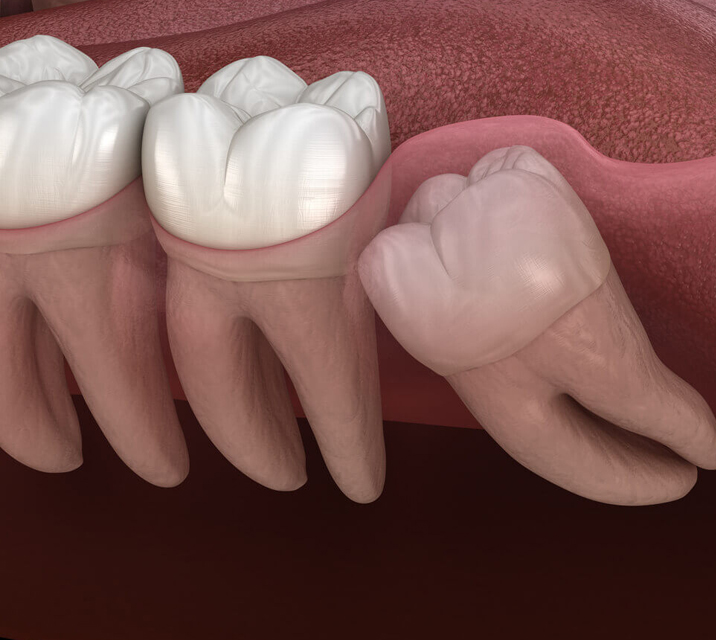
Wisdom teeth may cause problems when they lack sufficient room to erupt or become partially trapped beneath the gums. Not all wisdom teeth require removal. Your dentist can evaluate their position and determine whether monitoring, extraction, or referral to an oral surgeon is appropriate.
Orthodontic or Restorative Treatment Planning
In selected situations, tooth removal may be part of a broader dental treatment plan. Such decisions require careful evaluation of tooth alignment, bite relationships, and long-term oral health.
What Are the Signs You May Need a Tooth Extraction?
Certain symptoms may indicate a dental condition that requires prompt evaluation.
Contact a dentist if you experience:
- Persistent or worsening tooth pain.
- Severe decay or a visibly broken tooth.
- Pain when biting or chewing.
- Swelling around a tooth or along the gums.
- A tooth that has become noticeably loose.
- Repeated infections involving the same tooth.
- Difficulty chewing because of tooth damage.
- A painful wisdom tooth.
These symptoms do not automatically mean extraction is necessary. A dental examination can help determine whether the tooth can be preserved or whether removal is the more appropriate option.
Important: Seek emergency medical care for difficulty breathing or swallowing, rapidly spreading facial or neck swelling, or other signs of a serious infection.
What Happens During a Tooth Extraction Procedure?
Understanding the procedure can help you prepare for your appointment. The exact steps depend on whether the extraction is simple or surgical and the condition of the tooth.
Step 1: Dental Examination and Diagnosis
Our dentist in Lincoln Park will examine the affected tooth and surrounding tissues. Dental X-rays may be used to assess root shape, bone support, and nearby anatomical structures. Your medical history, medications, and any conditions that could influence treatment are also reviewed.
Step 2: Discussing Your Treatment Options
Before proceeding, our dentist will explain why extraction may be recommended. You can ask questions about alternatives, anaesthesia, recovery, and options for replacing the missing tooth.
Step 3: Numbing the Treatment Area
Local anaesthesia is administered to numb the tooth and surrounding tissues. The goal is to prevent sharp pain during removal. You may still notice pressure or movement.
Step 4: Removing the Tooth
For a simple extraction, the dentist carefully loosens and removes the tooth using appropriate instruments. More complex cases may require surgical techniques or referral to an oral surgeon.
Step 5: Managing the Extraction Site
After removal, the socket is examined and cleaned as appropriate. Gauze is placed over the area to help control bleeding and support clot formation. Stitches may be necessary in certain cases.
Step 6: Reviewing Aftercare Instructions
Our dental team will provide instructions about bleeding control, eating, oral hygiene, medications, and activities to avoid. Following these instructions helps protect the healing extraction site.
WILL TEETH EXTRACTIONS BE NECESSARY IN CASE OF ADVANCED GUM DISEASE?


DO WISDOM TEETH NEED TO BE REMOVED?
WHAT HAPPENS IF MY TEETH ARE TOO CROWDED?

HOW TO TAKE PROPER CARE OF MY TEETH AND GUMS AFTER AN EXTRACTION PROCEDURE?
What Should You Do After a Tooth Extraction?
Proper aftercare helps protect the extraction site and reduce the risk of complications.
Bite Gently on Gauze
Keep the recommended gauze in place and apply steady pressure as instructed. This helps control bleeding and allows a blood clot to form.
Avoid Vigorous Rinsing or Spitting
During the first 24 hours, avoid forceful rinsing or spitting because these actions may disturb the clot. After the initial period, your dentist may recommend gentle saltwater rinses.
Do Not Use Straws
Avoid drinking through straws during early healing because suction may disturb the extraction site.
Avoid Smoking and Tobacco Use
Smoking and tobacco exposure can interfere with healing and increase the risk of complications. Follow your dentist’s guidance on how long to avoid these products.
Choose Soft Foods
Soft, cool, or lukewarm foods are generally easier to manage after extraction. Examples include yoghurt, scrambled eggs, mashed potatoes, and soft pasta. Avoid very hot foods and drinks until the anaesthesia has worn off and bleeding is controlled.
Avoid Strenuous Exercise Initially
Heavy physical activity may increase bleeding or discomfort during early healing. Our dentist will advise you on when you can resume your normal exercise routine.
Continue Gentle Oral Hygiene
Keep your mouth clean while avoiding direct trauma to the extraction socket. Brush the surrounding teeth carefully and follow the specific cleaning instructions provided.
Take Medications as Directed
Use prescribed or recommended medications according to our dentist’s instructions. Do not begin or stop prescription medications without appropriate medical guidance.
Find Relief and Take the Next Step Toward Better Oral Health
A severely damaged or infected tooth should not be ignored. Prompt dental care can help identify the source of discomfort and prevent certain complications.
At Advanced Dental Center – Lincoln Park, Dr. Armand del Rosario and our dental team provide tooth extraction evaluations and discuss treatment options based on your individual needs.
Frequently Asked Questions About Tooth Extractions
The cost depends on the tooth’s condition, location, and complexity of removal. Simple extractions generally involve different costs than surgical extractions. At Advanced Dental Center – Lincoln Park, our team can discuss estimated fees and applicable insurance benefits after examining the affected tooth.
A straightforward extraction may take only a short time once anaesthesia is effective. However, the complete appointment also includes examination, preparation, and aftercare instructions. Surgical or complicated extractions generally take longer. Your dentist can provide an estimate after evaluating the tooth.
Some patients return to routine activities the following day after a simple extraction. However, recovery depends on the procedure, discomfort, and physical demands of your job. More complex extractions may require additional rest. Follow your dentist’s recommendations before resuming strenuous activities.
Root canal therapy is often preferred when an infected tooth can be predictably restored. Extraction may be necessary when extensive damage, fractures, or inadequate support make preservation unlikely. Advanced Dental Center – Lincoln Park can evaluate your tooth and explain the benefits and limitations of each option.
Many dental insurance plans provide partial coverage for medically necessary extractions. Coverage varies according to your policy, deductibles, waiting periods, and procedure classification. Advanced Dental Center – Lincoln Park can help you review your insurance benefits before treatment.
