Invisalign has revolutionized orthodontic treatment by offering a discreet and comfortable alternative to traditional braces. However, like any orthodontic treatment, it may cause discomfort or pain at times. In this comprehensive guide, we’ll explore what Invisalign is, why it might cause discomfort, and most importantly, practical tips and strategies to alleviate Invisalign pain. Whether you’re considering Invisalign or already undergoing treatment, these insights will help you navigate any discomfort with ease.
What Is Invisalign?
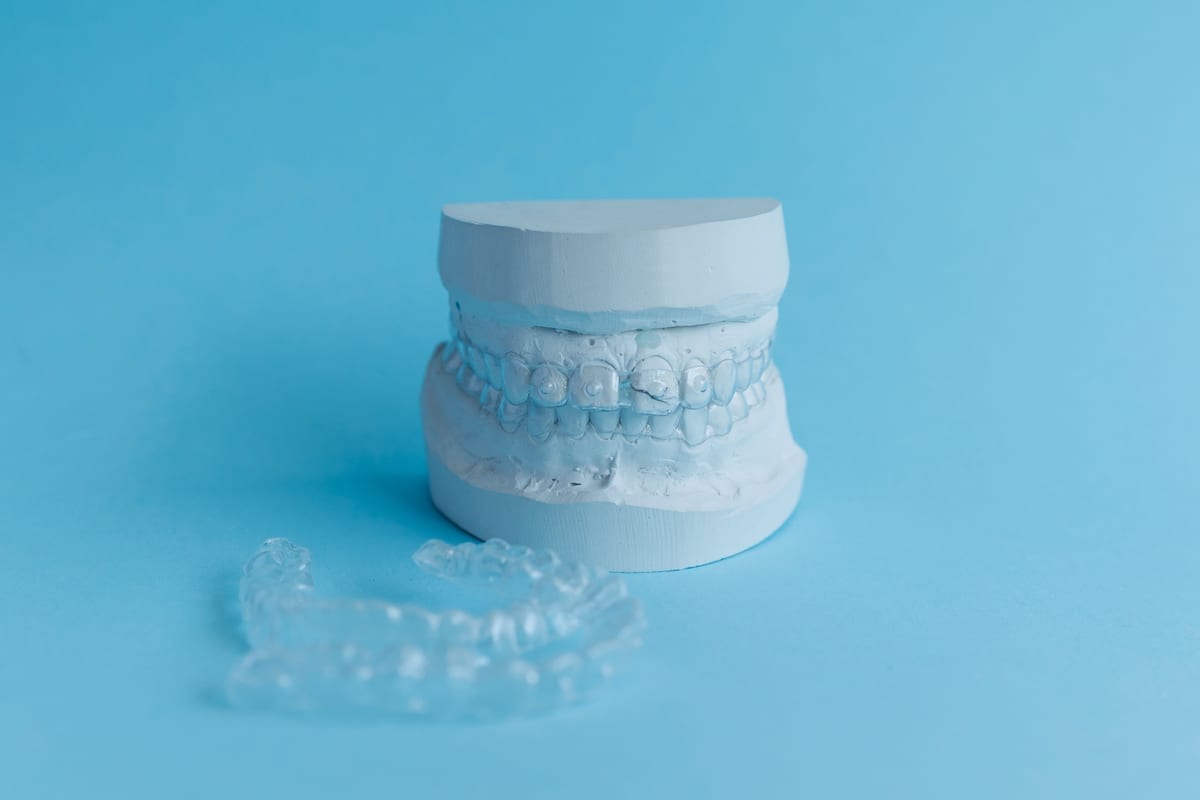
Invisalign is a popular orthodontic treatment that uses clear, custom-made aligners to gradually straighten teeth. These aligners are virtually invisible and can be removed for eating, drinking, brushing, and flossing, making them a convenient option for many individuals seeking to improve their smile.
Is Invisalign Painful?
While Invisalign is generally considered more comfortable than traditional braces, some patients may experience mild discomfort or soreness, particularly during the initial stages of treatment or when switching to a new set of aligners. This discomfort is normal and typically indicates that the aligners are working to move your teeth into their desired position.
How Long Does The Discomfort Last?
The duration and intensity of discomfort can vary from person to person and may depend on factors such as individual pain tolerance and the complexity of your treatment plan. In most cases, any discomfort experienced with Invisalign is temporary and should subside within a few days as your mouth adjusts to the aligners.
5 Tips To Reduce Invisalign Pain
Wear Your Aligners As Much As Possible: Consistently wearing your aligners as prescribed by your orthodontist can help minimize discomfort by ensuring your teeth are consistently moving into their new positions.
Suck on Ice Cubes: Sucking on ice cubes or applying a cold compress to the outside of your mouth can help numb the area and reduce inflammation, providing temporary relief from Invisalign pain.
Put On New Aligners Before Going To Bed: If you’re starting a new set of aligners, putting them in before bedtime can help you sleep through the initial discomfort and allow your mouth to adjust while you rest.
Follow A Soft Diet: Stick to soft, easy-to-chew foods, especially in the first few days of wearing a new set of aligners. Avoid hard or crunchy foods that may exacerbate discomfort or interfere with the fit of your aligners.
Opt For Pain Relievers: Over-the-counter pain relievers such as ibuprofen or acetaminophen can help alleviate any discomfort associated with wearing Invisalign aligners. Be sure to follow the dosage instructions provided on the packaging and consult with your healthcare provider if you have any concerns.
What To Do If Pain Does Not Reduce?
If you experience persistent or severe pain that does not improve with these strategies, it’s essential to contact your orthodontist or dental provider for further evaluation. They can assess your treatment progress, address any underlying issues, and recommend additional measures to help manage your discomfort effectively.
Invisalign offers a convenient and discreet way to achieve a straighter smile, but it’s essential to be prepared for potential discomfort along the way. By following these practical tips and strategies, you can minimize Invisalign pain and make your orthodontic journey as comfortable as possible. If you have any concerns or experience persistent pain, don’t hesitate to reach out to your orthodontist for guidance and support. Your comfort and satisfaction are our top priorities, and we’re here to ensure your Invisalign experience is a positive one. Schedule an appointment with us today to learn more about how we can help you achieve the smile of your dreams with Invisalign.