Did you know that nearly 60% of people have some form of crooked teeth? Many believe braces are the only way to straighten them. But braces are not always the best option. They can be uncomfortable, costly, and time-consuming. For those with extremely crooked teeth, traditional braces often seem like the only choice.
However, there are alternative methods available that do not involve the metal wires and brackets. These methods can correct your smile while avoiding the challenges that come with braces.
This blog explores how to fix extremely crooked teeth without braces. It will discuss different options and what to consider when choosing the best method for you.
Understanding the Issue
What Are Crooked Teeth?
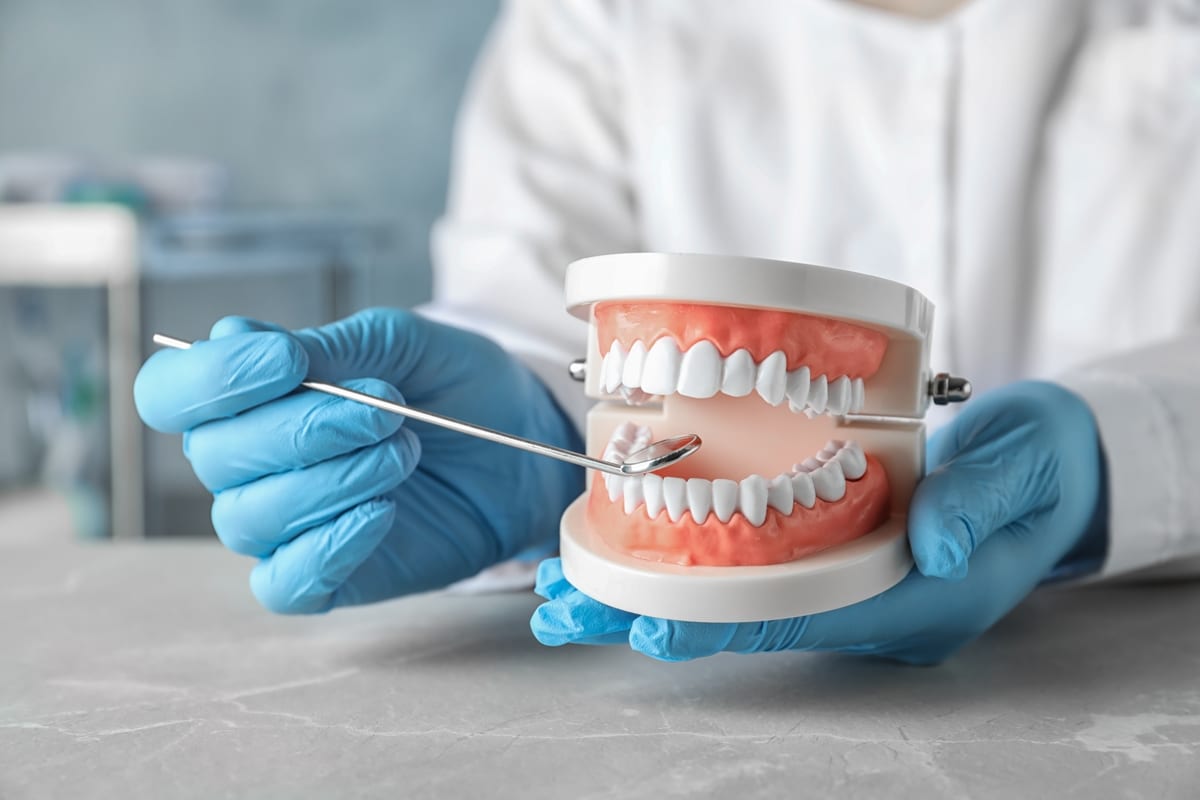
Crooked teeth occur when teeth are misaligned or crowded. This misalignment can range from mild to severe. Some teeth might overlap, while others may rotate out of place.
Various factors can lead to crooked teeth. Genetics is a primary cause. If your parents had crooked teeth, you might too. Habits like thumb-sucking during childhood can also cause teeth to become crooked. Additionally, injuries to the mouth or early loss of baby teeth can result in misalignment.
Problems Caused by Crooked Teeth
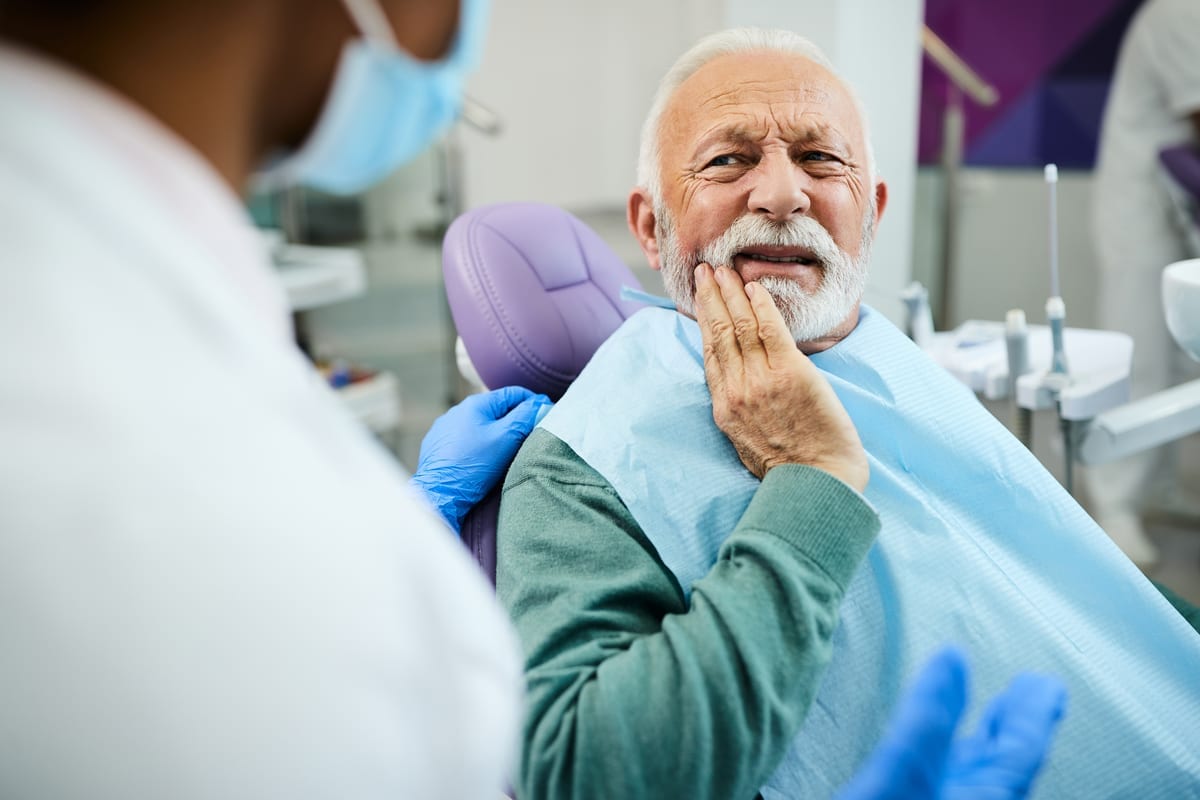
Having extremely crooked teeth is not just an aesthetic issue. Crooked teeth can make cleaning difficult, leading to plaque buildup and tooth decay. Misaligned teeth can also increase the risk of gum disease. This happens because it is harder to reach all surfaces of your teeth with a toothbrush and floss.
Additionally, crooked teeth can cause jaw pain or strain on the teeth, leading to discomfort or even headaches. Over time, these problems can worsen, making it essential to address crooked teeth early on.
Why Consider Alternatives to Braces?
Challenges with Braces
Braces are a traditional solution, but they come with several drawbacks. First, they can be uncomfortable, especially during adjustments. The metal brackets and wires may cause irritation to the gums and cheeks.
Braces also raise aesthetic concerns, as many people dislike how they look. The treatment time can be lengthy, often taking one to three years. Additionally, braces require regular visits to the orthodontist, adding to the overall cost and inconvenience.
Suitability of Alternatives
Not everyone is a candidate for braces. Some people may have health conditions that make braces unsuitable. Others might have personal preferences against the appearance or feel of braces.
Fortunately, there are several alternatives available. These options can be more comfortable, less visible, and in some cases, quicker. They might also suit those who only need minor adjustments. For those seeking a different approach, exploring non-brace options is worth considering. Consulting with your Lincoln Park Dentist for this purpose can be significant.
Non-Brace Alternatives for Fixing Crooked Teeth
Clear Aligners
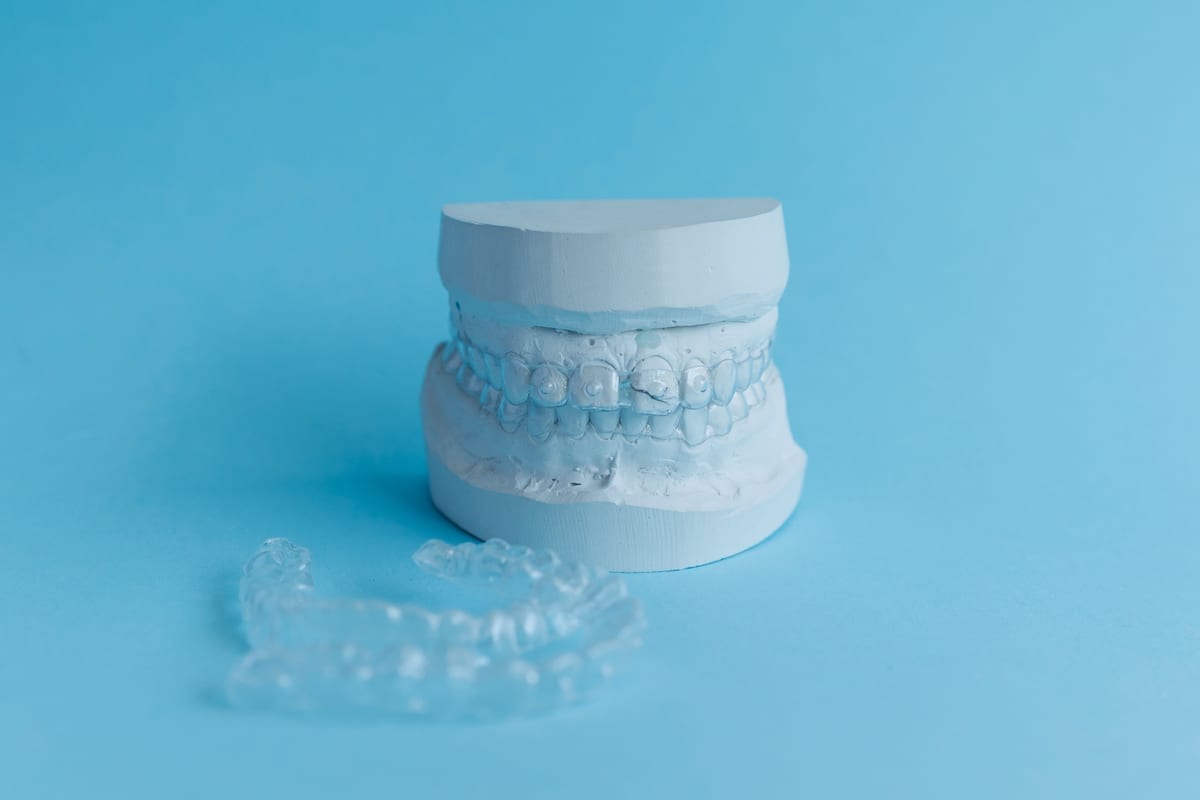
Clear aligners are custom-made, transparent trays that fit over your teeth. They gradually shift your teeth into place over time.
The biggest advantage is their invisibility, making them ideal for those who want a discreet option. They are also removable, allowing you to eat and clean your teeth with ease. However, they require discipline, as they must be worn for 20-22 hours daily. They might not be suitable for severe cases.
Clear aligners are best for people with mild to moderate crooked teeth. They are also a good choice for those concerned about the appearance of traditional braces.
Veneers
Veneers are thin, custom-made shells that cover the front surface of teeth. They create the appearance of straight teeth without moving them.
These alternatives provide an immediate solution and dramatically enhance your smile. They are especially beneficial for those who also want to change the color or shape of their teeth. However, veneers can be costly and involve permanent changes to your teeth. The procedure requires removing a small amount of enamel, which cannot be replaced.
Veneers are ideal for individuals looking for a cosmetic fix, especially when teeth are slightly crooked or if multiple dental issues exist.
Dental Bonding
Dental bonding involves applying a tooth-colored resin to the surface of teeth. It can correct minor misalignments and improve the appearance of crooked teeth.
This alternative offers quick results, often completed in one visit. It is less invasive than veneers and doesn’t require removing enamel. However, the resin is not as durable as other materials and might chip or stain over time. Bonding is generally more suitable for minor adjustments rather than severe misalignments.
Dental bonding works well for individuals with slight misalignments or those seeking a fast, cost-effective solution.
Palatal Expanders
Palatal expanders are devices that widen the upper jaw. They create more space for teeth to align properly.
These options are highly effective, especially in growing children. They can prevent the need for braces later on by addressing the underlying issue of jaw width. However, they can be uncomfortable initially and may cause a slight lisp. Palatal expanders are less common in adults, as the jawbone is fully developed.
This method is best suited for children and adolescents with jaw alignment issues. It may be used as part of a broader orthodontic treatment plan.
Retainers
Retainers are typically used after braces, but in some cases, they can correct minor crookedness. They hold teeth in position or make slight adjustments.
These options are less invasive and more comfortable than braces. They are usually removable, making cleaning easier. However, they are limited in their ability to fix severe misalignments and require consistent wear. Some retainers are visible, which might be a concern for some individuals.
Retainers are most effective for those who have only minor misalignments or for maintaining results after other treatments.
Fixing extremely crooked teeth without braces is possible through various alternatives. Clear aligners, veneers, dental bonding, palatal expanders, and retainers offer different solutions based on your needs. The best choice depends on factors like the severity of your crooked teeth, cost, time commitment, and long-term effects.
It is imperative that you speak with a dental expert to determine which approach is best for you. Since every person’s circumstances are different, getting the best results requires a customized strategy. Remember, your smile is worth investing in!