Dental veneers are a great way to improve your smile; fortunately, they’re now more accessible than ever. Whether you want to fix some small gaps in your teeth or address severely stained teeth, dental veneers can be the answer you’ve been looking for. But what exactly are dental veneers? And how do they work? This blog post will answer these questions and provide insight into getting dental veneers. We’ll also discuss the benefits of dental veneers so that you can make an informed decision on whether or not they are right for you. Read on to learn more about dental veneers!
What are dental veneers?
Dental veneers are thin, custom-made shells designed to cover your teeth’ front surface. They are made from porcelain or composite resin material and are an ideal solution for teeth that are stained, chipped, or worn down. Veneers can also be used to close small gaps between your teeth.
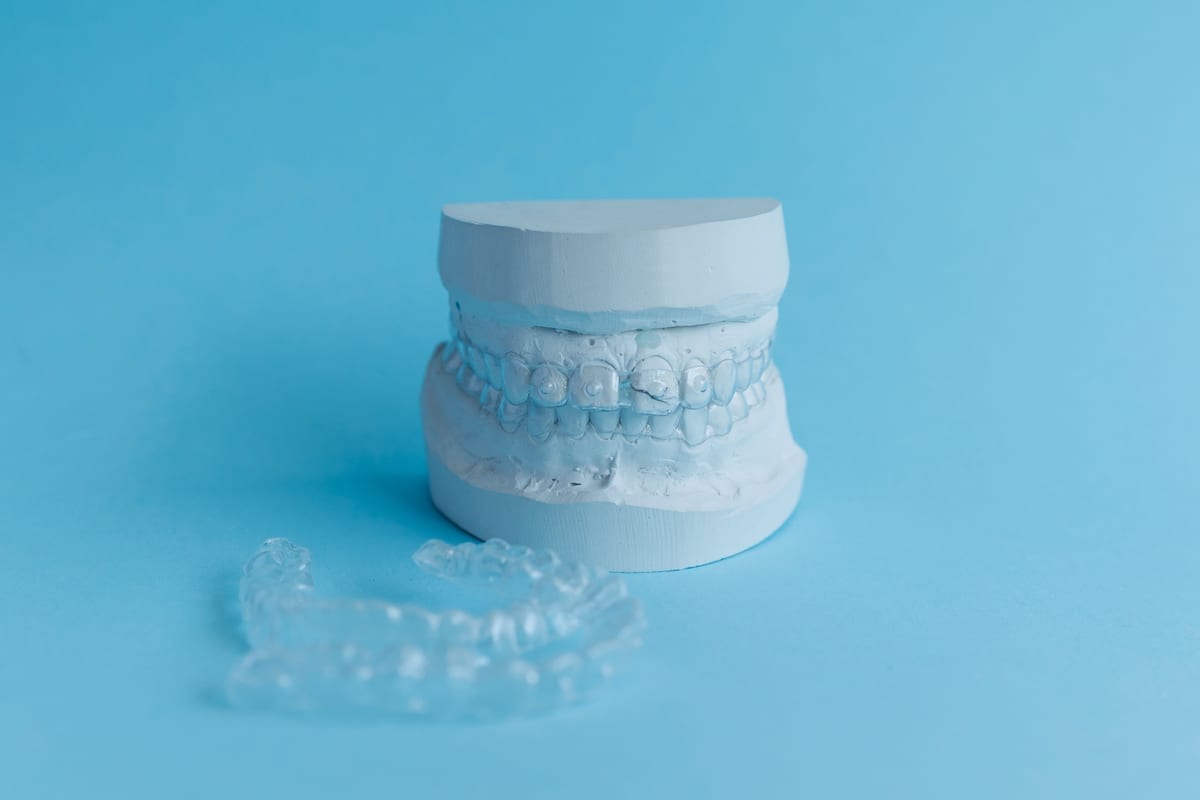
When you come in for your consultation, our team will evaluate your smile goals and determine if veneers are your best solution. We will also take X-rays and impressions of your teeth to create a custom veneer set that perfectly fits your smile.
The veneer bonding process is quick and painless. First, we will clean your teeth and roughen up their surfaces so that the bonding material can better adhere to them. Next, we will apply a special adhesive to the back of each veneer before placing them onto your teeth. Finally, we will use a curing light to permanently harden the adhesive and bond the veneers to your teeth.
After getting dental veneers, it is important to practice good oral hygiene habits and visit our office regularly for checkups and professional cleanings. With proper care, dental veneers can last for many years!
How do dental veneers work?
Dental veneers are made of a thin, porcelain-like material that is custom-made to fit over the front surface of your teeth. They are bonded to your natural teeth using a strong adhesive and can be used to improve the appearance of your smile.
Veneers can be used to correct several esthetic issues, such as:
• gaps between teeth
• misshapen or chipped teeth
• stained or discoloured teeth
• crooked or misaligned teeth
The procedure for getting dental veneers typically takes two visits to the dentist. During the first visit, the dentist will prepare your teeth by removing a small amount of enamel from their surfaces. This is necessary to create enough space for the veneers to bond. Next, moulds or impressions of your teeth will be taken and sent off to a dental laboratory where your custom veneers will be made. In the meantime, you will be given temporary veneers to wear.
The temporary veneers will be replaced with your permanent ones at your second appointment. The dentist will then check to make sure they fit properly and make any necessary adjustments. Once you’re satisfied with the fit and appearance of your new veneers, they will be permanently bonded in place using a special dental adhesive.
How to care for dental veneers
Dental veneers are a popular cosmetic dentistry treatment that can give you a beautiful Hollywood smile. But how do you care for your new veneers so they last?
Here are some tips for caring for your dental veneers:
1. Avoid hard or chewy foods: Chewing on hard or chewy foods can damage your dental veneers. So be sure to avoid candy, ice, and other hard or chewy snacks.
2. Brush and floss regularly: Just like your natural teeth, you must regularly brush and floss your dental veneers. This will help prevent plaque and tartar build-up, which can damage your veneers.
3. See your dentist regularly: Be sure to see your dentist every six months for a check-up and cleaning. During these appointments, your dentist will check for any problems with your veneers and clean them, so they stay looking their best.
Alternative treatments to dental veneers
Alternative treatments are available if you are considering dental veneers but are unsure if they are right for you. Dental bonding and tooth contouring are two popular alternatives to veneers.
Dental bonding is when the tooth-coloured resin is applied to the teeth and hardened with a special light. Bonding can improve the appearance of chipped, cracked, or discoloured teeth. It can also be used to close gaps between teeth or change the shape of teeth. The bonding results are not as permanent as veneers, and the bonded material is more likely to stain than porcelain veneers.
Tooth contouring is another alternative to veneers. Contouring involves removing small amounts of tooth enamel to change the shape or length of teeth. It can also remove small imperfections such as bumps or ridges on the teeth. Tooth contouring is usually done in combination with bonding, and it can provide dramatic results. However, it is not suitable for everyone, and it is important to talk to your dentist about whether contouring is right for you.
Conclusion
Dental veneers offer an effective and safe way to improve the appearance of your teeth. With various options available, you must talk with your dentist about which type is best for you. Your dentist can also help guide you through the process and answer any questions you may have about the procedure. Dental veneers are worth considering if you’re looking for a quick solution to brighten your smile.