Getting a dental bridge is a meaningful step toward restoring your smile and bite function. But many patients in Lincoln Park, MI wonder what happens after they leave the dental chair. Understanding what to expect after your dental bridge — from the first 24 hours through full recovery — helps you heal faster and protect your investment. Dr. Armand del Rosario and the team at Advanced Dental Center – Lincoln Park are here to guide you every step of the way.
Your Dental Bridge Recovery Timeline in Lincoln Park
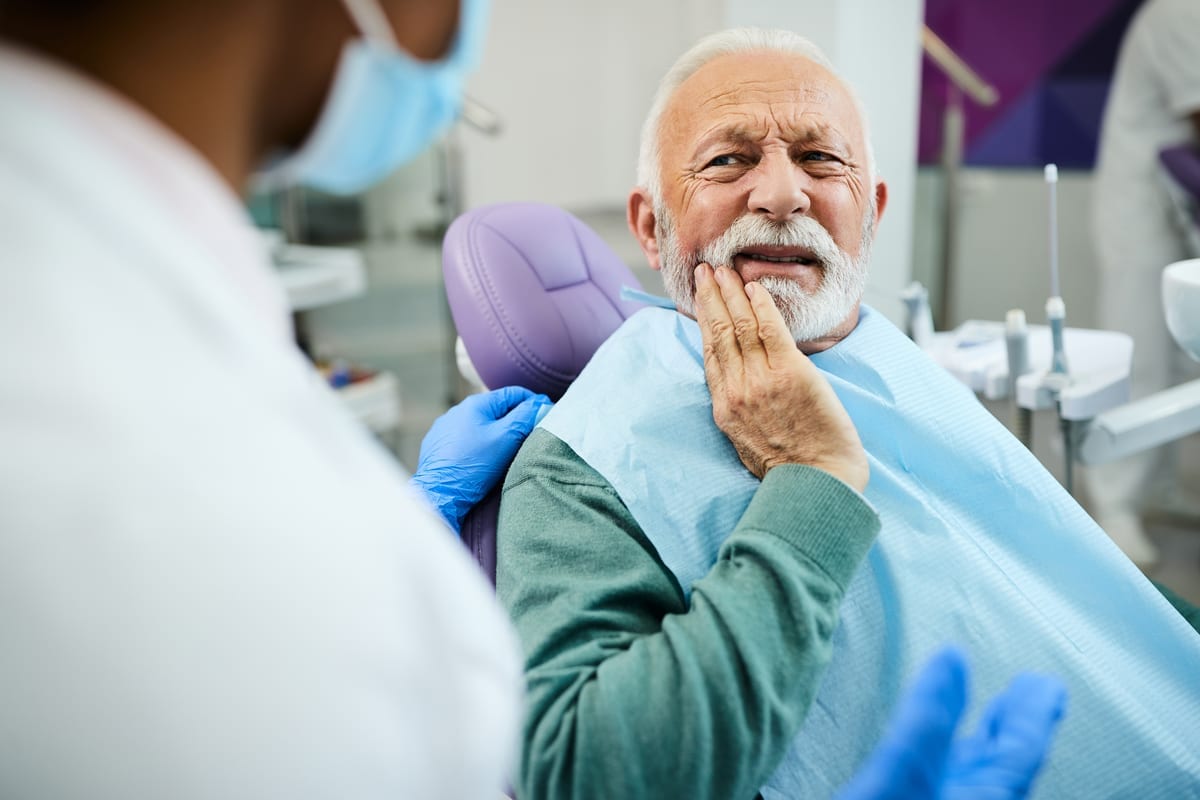
Most patients notice some sensitivity and mild discomfort in the first few days after placement. This is completely normal as your mouth adjusts to the new restoration. The gum tissue around the abutment teeth needs time to settle and heal.
Here is a general timeline of what to expect after your dental bridge recovery in Lincoln Park:
- Day 1–3: Mild soreness, sensitivity to hot and cold, and gum tenderness are common.
- Day 4–7: Discomfort should decrease noticeably. Biting should feel more natural.
- Week 2: Most patients feel comfortable eating a wider variety of foods.
- Week 3–4: Full adjustment is typically complete. The bridge should feel like a natural part of your mouth.
Every patient heals at a different pace. Factors like your overall health, oral hygiene habits, and how well you follow aftercare instructions all play a role. Contact our Lincoln Park office if symptoms worsen after the first week.
What to Eat After Your Dental Bridge Procedure
Your diet in the first few days is critical to a smooth recovery. Eating the wrong foods too soon can dislodge a temporary bridge or cause unnecessary pain. Being thoughtful about your meals protects the restoration and speeds up healing.
During the first 48 hours, stick to soft foods. Great options include:
- Mashed potatoes and soft cooked vegetables
- Scrambled eggs or soft-boiled eggs
- Yogurt, smoothies, and applesauce
- Oatmeal, soft pasta, and soup (not too hot)
- Bananas, avocado, and other soft fruits
Avoid hard, crunchy, or sticky foods for at least a week. Things like nuts, hard candy, popcorn, and chewing gum can stress the bridge or the cement holding it in place. Extremely hot or cold foods may increase sensitivity during recovery.
As comfort improves, you can gradually reintroduce your normal diet. Use both sides of your mouth evenly to avoid putting too much pressure on the bridge side alone.
Managing Pain and Sensitivity After Your Bridge Placement
Mild to moderate discomfort is normal in the days following bridge placement. You do not need to suffer through it. Simple pain management strategies can keep you comfortable while you heal.
Dr. del Rosario may recommend over-the-counter pain relievers such as ibuprofen or acetaminophen. Follow the dosing instructions on the package and only take what is appropriate for your health history. Anti-inflammatory options like ibuprofen can also help reduce gum swelling.
You can also try these comfort strategies at home:
- Rinse gently with warm salt water to soothe gum tissue
- Avoid very hot or very cold beverages for the first few days
- Use a soft-bristled toothbrush around the bridge area
- Sleep with your head slightly elevated to reduce swelling
Tooth sensitivity around the abutment teeth is common and usually fades within two to four weeks. If sensitivity is sharp or getting worse instead of better, call Advanced Dental Center – Lincoln Park right away.
How to Care for Your Dental Bridge Long-Term
A dental bridge can last 10 to 15 years or longer with proper care. Your daily habits make a significant difference in how long your restoration performs well. Good oral hygiene is the foundation of bridge longevity.
Brush your teeth at least twice a day using a soft-bristled toothbrush. Pay close attention to where the bridge meets your gum line. Plaque buildup in that area can lead to Root Canal Treatment needs if infection develops in the abutment teeth.
Flossing under the bridge is essential. Use a floss threader or interdental brush to clean beneath the pontic (the false tooth). This removes food debris that a regular toothbrush cannot reach.
Schedule professional cleanings every six months at our Lincoln Park office. Regular checkups allow Dr. del Rosario to monitor the fit and condition of your bridge over time. Early detection of any issues saves you time and discomfort down the road.
Warning Signs You Should Not Ignore After Your Bridge
Most recoveries go smoothly. However, certain symptoms signal that something may need attention. Knowing when to reach out to our team is an important part of your aftercare plan.
Contact Advanced Dental Center – Lincoln Park if you experience any of the following:
- Pain that worsens after the first week instead of improving
- A bridge that feels loose or shifts when you bite
- Visible damage or cracking of the bridge material
- Persistent bad taste or odor that brushing does not resolve
- Swelling, bleeding, or a dental abscess forming near the bridge
A dental emergency can sometimes develop after a restorative procedure. If you experience sudden severe pain, significant swelling, or trauma to your bridge, our team offers Emergency Dentistry services to address urgent needs quickly. Do not wait and hope the problem resolves on its own.
Conclusion: Your Recovery, Your Confidence
Understanding what to expect after your dental bridge recovery in Lincoln Park puts you in control of your healing process. Follow Dr. del Rosario’s aftercare instructions, eat wisely, manage discomfort proactively, and keep your follow-up appointments. Your bridge is designed to restore your smile and your ability to eat and speak with confidence. With the right care, it will serve you well for many years to come. Book Now to schedule your appointment with our team.
Frequently Asked Questions
How long does it take to fully recover after a dental bridge?
Most patients feel fully adjusted within two to four weeks after bridge placement. Mild sensitivity and gum tenderness in the first week are normal. If discomfort lingers beyond two weeks, contact Dr. del Rosario at Advanced Dental Center – Lincoln Park for an evaluation.
Is it normal for my bite to feel off after getting a dental bridge?
Yes, a slightly uneven bite is common right after placement. Your mouth needs a few days to adapt to the new restoration. If the bite does not feel comfortable after a week, come in so Dr. del Rosario can make a simple adjustment to the bridge.
Can I eat normally after getting a dental bridge?
You should stick to soft foods for the first 48 to 72 hours after placement. Gradually reintroduce harder foods as your comfort improves. Avoid very sticky or hard foods long-term to protect the bridge from unnecessary stress.
How do I clean under my dental bridge?
Use a floss threader, water flosser, or interdental brush to clean beneath the bridge pontic daily. Regular brushing alone cannot remove debris trapped under the artificial tooth. Keeping this area clean helps prevent gum disease and extends the life of your bridge.
When should I call the dentist after my dental bridge procedure?
Call Advanced Dental Center – Lincoln Park if you notice worsening pain after the first week, a loose or shifting bridge, persistent bad taste, or any signs of infection such as swelling or an abscess. These symptoms may require prompt professional attention to protect your oral health.