Many Southgate patients ask the same question before committing to cosmetic dental work. Will your cosmetic dental results last 5 years or 15 years in Southgate — and what actually decides that? The answer depends on two big factors: the treatment you choose and the habits you keep. Dr. Armand del Rosario at Advanced Dental Center – Lincoln Park helps patients understand both sides of that equation. This article breaks it all down clearly so you can make a confident, informed decision.
How Long Each Cosmetic Treatment Actually Lasts in Southgate
Not every cosmetic procedure offers the same lifespan. Some treatments are designed for short-term improvement, while others can last decades with proper care. Understanding these differences helps Southgate patients plan their investment wisely.
Here is a general breakdown of expected longevity by treatment type:
- Dental Bonding: Typically lasts 5 to 7 years before chipping or staining becomes noticeable.
- Dental Veneers: Porcelain veneers often last 10 to 15 years with excellent home care.
- Dental Crowns: Most crowns last 10 to 15 years, sometimes longer depending on placement and material.
- Dental Implants: With proper maintenance, implants can last 20 to 30 years or even a lifetime.
- Invisalign Results: The alignment itself is permanent, but retainer use determines whether teeth stay in position.
- Dental Bridges: Quality bridges typically last 10 to 15 years before needing replacement.
- Dentures: Full or partial dentures usually require replacement or relining every 5 to 10 years.
Dental bonding sits at the shorter end of the spectrum. It is also the most budget-friendly cosmetic option. Implants and veneers require a larger upfront commitment but offer far greater long-term value.
Patient Habits That Determine Whether Results Last 5 or 15 Years
Your daily routine plays a bigger role in longevity than most patients expect. Two people can receive the same treatment and experience very different outcomes. The difference almost always comes down to lifestyle and oral hygiene habits.
These are the most common habits that shorten cosmetic dental results:
- Grinding or clenching teeth at night without a protective night guard
- Biting fingernails, pens, or hard objects regularly
- Consuming staining beverages like coffee, tea, and red wine excessively
- Using tobacco products in any form
- Skipping regular dental cleanings and checkups
- Brushing too aggressively with a hard-bristled toothbrush
- Eating very hard or sticky foods that stress restorations
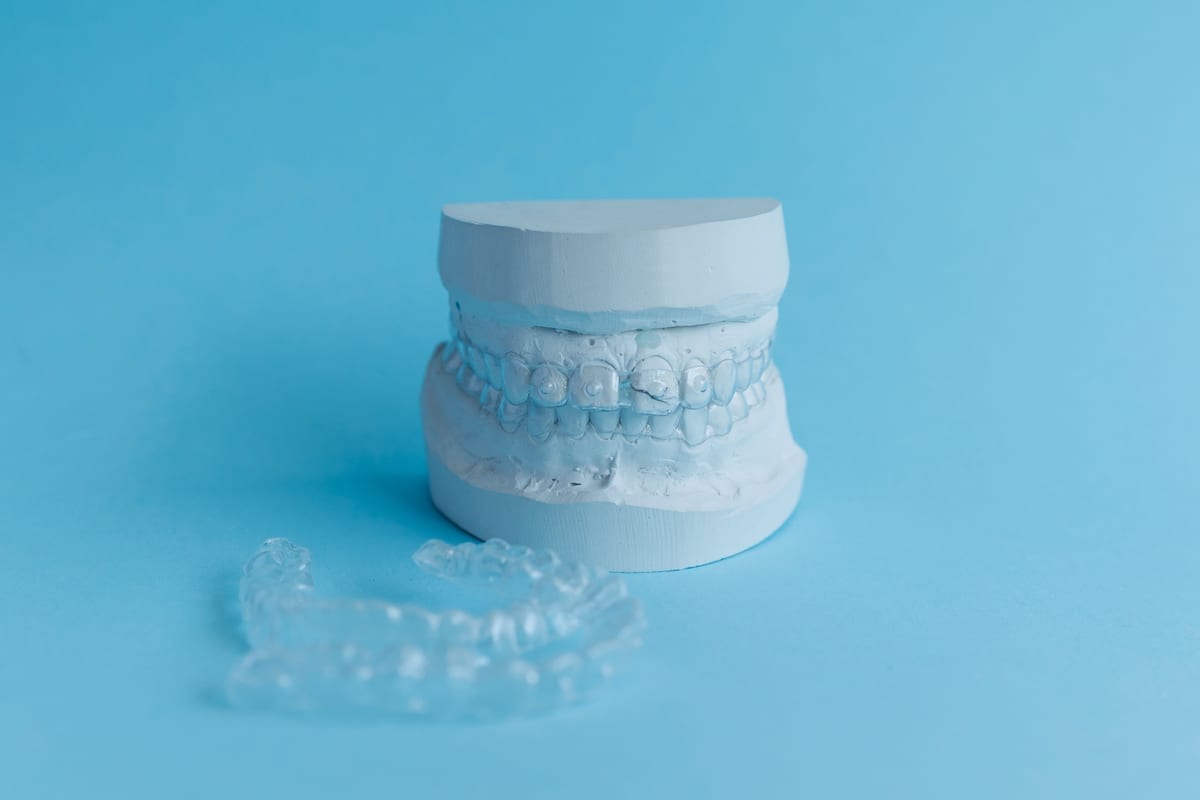
Bruxism — the habit of grinding teeth — is one of the top destroyers of cosmetic work. A custom night guard from your dentist can protect veneers, crowns, and bonding from premature wear. Ask Dr. del Rosario if a guard makes sense for your treatment plan.
How to Maximize the Lifespan of Your Cosmetic Investment in Southgate
The good news is that most longevity factors are within your control. Small daily habits compound into major results over time. Patients who follow a consistent routine consistently get more years from their cosmetic work.
Start with a solid oral hygiene foundation. Brush twice daily with a soft-bristled toothbrush and fluoride toothpaste. Floss every single day, including around bridges, implants, and bonded areas. Rinse with an alcohol-free mouthwash to reduce bacteria without drying oral tissues.
Schedule professional cleanings every six months without fail. Your hygienist removes buildup that erodes restorations faster than normal wear. Regular exams also catch small problems before they compromise expensive cosmetic work. Dr. del Rosario monitors existing restorations during every checkup at our Lincoln Park practice.
If you play contact sports, always wear a custom mouthguard. Over-the-counter guards offer far less protection than professionally fitted ones. This one step can prevent years of wear — or a cracked veneer from a single impact.
When Something Goes Wrong: Protecting Your Smile Between Appointments
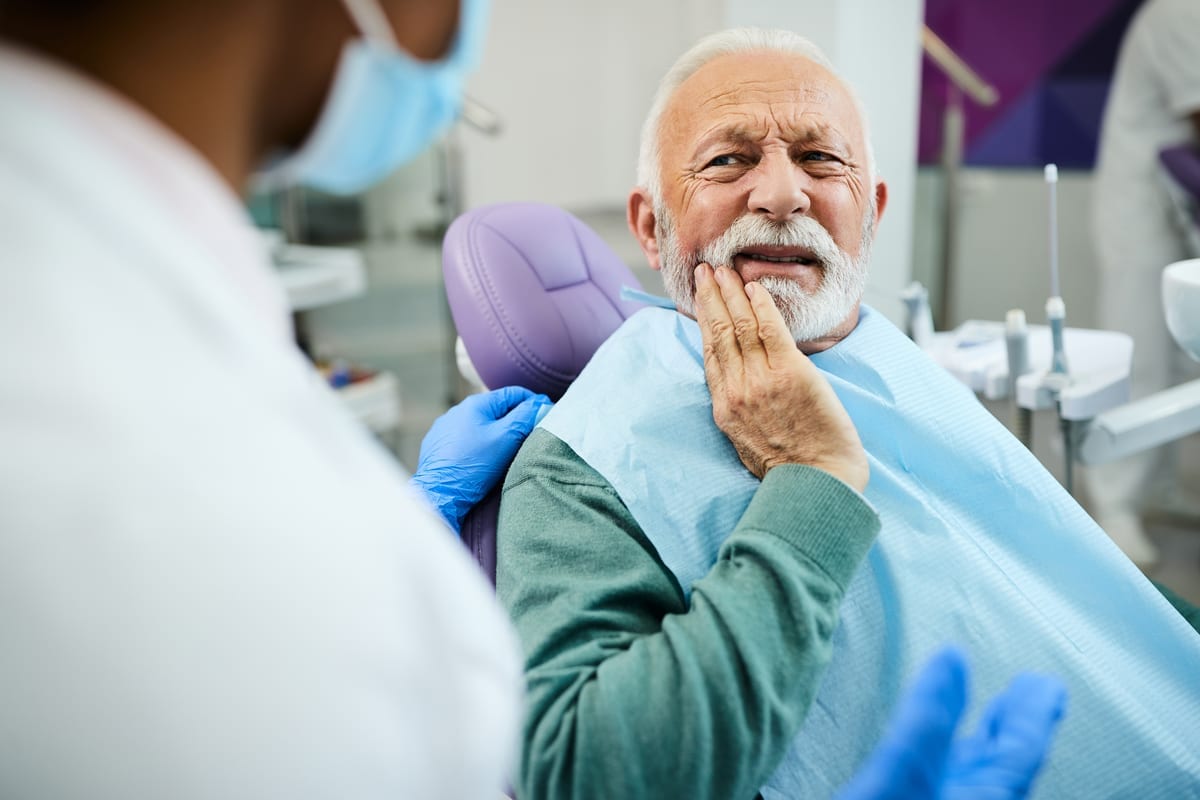
Even well-maintained cosmetic work can face unexpected challenges. A chipped crown, a loosened bridge, or sudden sensitivity should never be ignored. Waiting too long often turns a simple repair into a much larger procedure.
If you experience sudden tooth pain or damage to a restoration, Emergency Dentistry services at Advanced Dental Center – Lincoln Park are available to help. Getting prompt care protects both your cosmetic results and your underlying oral health. Do not wait and hope the problem resolves on its own.
Sometimes what feels like cosmetic damage actually signals something deeper. Sensitivity beneath a crown can indicate a need for Root Canal Treatment to save the tooth. Dr. del Rosario thoroughly evaluates every situation before recommending any next step. Southgate patients can feel confident that their care will always be explained clearly and honestly.
Choosing the Right Treatment for Your Long-Term Goals
Longevity should be part of every cosmetic dentistry conversation. The best treatment is not always the cheapest one up front. It is the one that aligns with your lifestyle, your goals, and your commitment to maintenance.
For example, dental bonding is excellent for minor corrections and quick cosmetic upgrades. But if you drink coffee daily or tend to grind your teeth, bonding may not deliver the longevity you want. In that case, porcelain veneers or crowns may be a smarter long-term investment despite the higher initial cost.
Dental implants represent the gold standard for replacing missing teeth. They fuse with your jawbone and function like natural teeth for decades. Patients who commit to good oral hygiene often report their implants lasting a lifetime without major issues.
Talking through your realistic habits and daily routine helps Dr. del Rosario recommend the right option. There is no single best cosmetic treatment — there is only the best treatment for you specifically. That conversation starts with an honest consultation at our Lincoln Park office.
Frequently Asked Questions
How long does dental bonding last compared to veneers?
Dental bonding typically lasts 5 to 7 years before showing wear or staining. Porcelain veneers last significantly longer, often 10 to 15 years or more, because the material is more durable and stain-resistant. Your daily habits — especially avoiding grinding and staining foods — influence both timelines.
Does teeth grinding really shorten the life of cosmetic dental work?
Yes, significantly. Bruxism places extreme pressure on bonding, veneers, and crowns. Without a custom night guard, patients who grind may see their restorations chip or fail years earlier than expected. A night guard is one of the most cost-effective ways to protect your cosmetic investment.
Can dental implants last a lifetime?
Dental implants have the longest lifespan of any tooth replacement option. With consistent oral hygiene and regular checkups, many implants last 25 years or more — and often a lifetime. The crown attached to the implant may need replacement after 10 to 15 years, but the implant post itself can remain intact indefinitely.
How often should I see my dentist after cosmetic treatment?
Professional cleanings and exams every six months are strongly recommended for patients with cosmetic restorations. Your dentist can monitor the condition of veneers, crowns, bonding, and implants before small issues become large ones. Regular visits are one of the single most effective ways to extend the life of any cosmetic work.
Is cosmetic dentistry a good long-term investment for Southgate patients?
When matched correctly to your goals and lifestyle, cosmetic dentistry offers excellent long-term value. Treatments like implants and veneers provide decades of function and aesthetic improvement. The key is choosing the right treatment with an experienced dentist and maintaining it with consistent daily care. Book Now to schedule your appointment with our team.