Completing your Invisalign treatment is a major milestone. Your teeth are straighter, your smile is brighter, and you feel more confident than ever. But here is the truth most patients in Lincoln Park, MI need to hear: your Invisalign journey isn’t over yet. Retainers are non-negotiable after orthodontic treatment, and skipping them can undo months of hard work. Dr. Armand del Rosario at Advanced Dental Center – Lincoln Park helps patients protect their results for the long term.
Why Your Teeth Don’t Stay Straight on Their Own
Many patients assume their teeth will simply stay in place after Invisalign ends. Unfortunately, that is not how biology works. Your teeth are held in the jawbone by a network of elastic fibers called the periodontal ligament. These fibers were stretched and repositioned throughout your treatment.
After treatment ends, those fibers want to pull your teeth back toward their original positions. This process is called orthodontic relapse. It can begin surprisingly quickly — sometimes within days of stopping retainer use.
Bone and tissue around your teeth also need time to stabilize in their new positions. A retainer holds everything still while that stabilization happens. Without one, there is nothing stopping your teeth from drifting.
What Happens If You Skip Your Retainer in Lincoln Park
Skipping your retainer — even for a short time — carries real consequences. The shifts may start small. You might notice slight crowding or spacing returning first. Over weeks and months, the changes become much more visible.
Here is what patients commonly experience when they stop wearing retainers too soon:
- Teeth shifting back toward their pre-treatment positions
- Gaps reopening between teeth that were corrected
- Crowding returning in the front teeth
- Changes in your bite that affect chewing comfort
- The need for additional orthodontic treatment to fix relapse
Retreatment is costly and time-consuming. Wearing a retainer consistently is far simpler than starting the alignment process all over again. Dr. del Rosario always emphasizes this point during post-treatment consultations at our Lincoln Park office.
How Long Do You Actually Need to Wear a Retainer?
This is one of the most common questions patients ask after finishing Invisalign. The answer depends on several factors, including your age, the complexity of your case, and your bite stability. However, there are general guidelines most dental professionals follow.
In the first phase — typically the first six to twelve months — most patients wear retainers full time. That means twenty to twenty-two hours per day, removing them only to eat and brush. This phase is the most critical period for stabilization.
After that initial phase, many patients transition to nighttime-only wear. This often continues for several years, and many dentists recommend wearing retainers at night indefinitely. Think of it as a lifelong maintenance habit rather than a temporary step.
Every patient’s timeline looks a little different. Dr. del Rosario will give you a personalized retention plan based on your specific results and how your teeth respond after treatment.
Types of Retainers: What Are Your Options?
Not all retainers are the same. Your dentist may recommend one type over another based on your clinical needs and lifestyle. Understanding your options helps you make informed decisions.
Here are the most common retainer types used after Invisalign treatment:
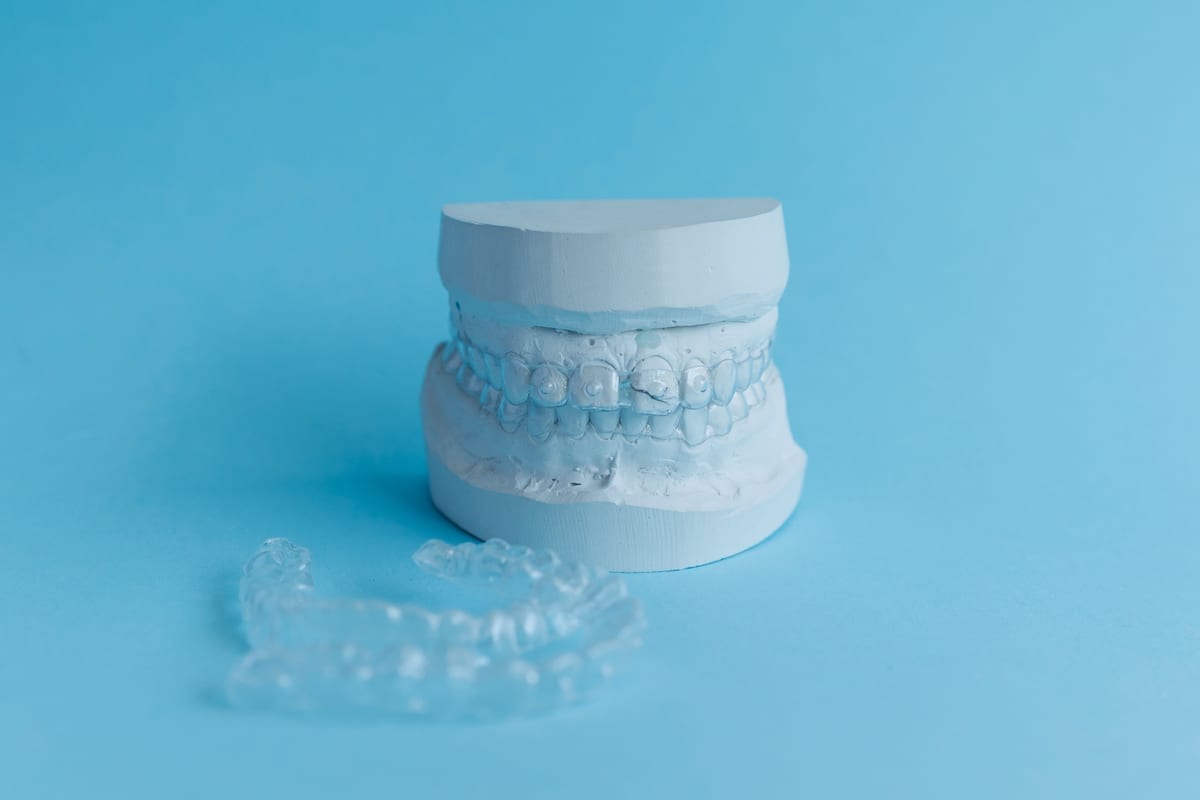
- Clear removable retainers: These look similar to Invisalign trays. They are discreet and comfortable. They must be removed for eating and cleaned daily.
- Hawley retainers: These are traditional retainers with a wire across the front teeth and an acrylic base. They are durable and adjustable if minor corrections are needed.
- Fixed (bonded) retainers: A thin wire is bonded to the back of your front teeth. You cannot remove it yourself. It provides constant protection without any daily compliance required.
Some patients use a combination approach. For example, a fixed retainer on the lower teeth paired with a removable clear retainer for the upper arch. Dr. del Rosario will walk you through the best option for your smile during your follow-up visit.
Caring for Your Retainer the Right Way
A retainer only works if it stays clean and fits properly. Neglecting your retainer can lead to bacterial buildup, bad breath, and even damage to the appliance itself. Proper care extends the life of your retainer and protects your oral health.
Follow these simple tips to keep your retainer in good shape:
- Rinse your retainer with lukewarm water every time you remove it
- Brush it gently with a soft toothbrush and mild soap — avoid toothpaste, which is too abrasive
- Soak it in a retainer-cleaning solution at least a few times per week
- Store it in its protective case when not in use
- Never expose it to hot water or direct sunlight, which can warp the material
If your retainer cracks, warps, or no longer fits correctly, contact our Lincoln Park office right away. A poorly fitting retainer can actually push teeth in the wrong direction. Replacement retainers are a routine part of long-term orthodontic care.
When to Contact Your Dentist About Your Retainer
Most retainer issues are minor and easy to resolve. But some situations require prompt attention. Knowing when to reach out prevents small problems from becoming bigger ones.
Contact Advanced Dental Center – Lincoln Park if you notice any of the following. Your retainer feels tight or uncomfortable after a period of not wearing it. This often means your teeth have shifted and the retainer no longer fits as it should.
Also reach out if your retainer is cracked, broken, or visibly warped. Continuing to wear a damaged retainer is not safe or effective. Our team can assess whether a repair or replacement is needed. If you ever experience sudden dental pain or trauma, our Emergency Dentistry Lincoln Park services are available to help you quickly.
For patients managing more complex oral health concerns alongside their orthodontic care, we also offer Root Canal Treatment Lincoln Park when needed. Comprehensive care under one roof makes it easier to stay on top of your dental health.
Protecting Your Invisalign Investment for the Long Term
You put real time, effort, and commitment into straightening your smile with Invisalign. Your retainer is the final step that protects everything you worked for. Wearing it consistently is not optional — it is essential to preserving your results.
Think of your retainer the same way you think about brushing and flossing. It becomes part of your daily routine and fades into the background. Over time, most patients barely notice they are wearing it at night at all.
Dr. Armand del Rosario and the team at Advanced Dental Center – Lincoln Park are here to support you through every stage of your smile journey — including the retention phase. We want your results to last a lifetime, and we will make sure you have the tools and guidance to make that happen. Book Now to schedule your appointment with our team.
Frequently Asked Questions
How soon do teeth shift after stopping retainer use?
Teeth can begin shifting within days of stopping retainer use, especially in the first year after Invisalign treatment. The risk is highest during the stabilization period when bone and tissue are still adapting. Wearing your retainer as directed is the best way to prevent early relapse.
Can I wear my Invisalign trays as a retainer?
Your last set of Invisalign aligners is not designed for long-term retainer use. They are made from thinner material and were not fabricated to hold your final tooth position permanently. Your dentist will provide a purpose-built retainer that is more durable and accurately fits your corrected smile.
What happens if my retainer no longer fits?
If your retainer feels tight or does not seat properly, your teeth have likely shifted. Do not force it in place. Contact your dentist as soon as possible for an evaluation. You may need a new retainer, and your dentist will assess whether any tooth movement requires correction.
How long does a clear retainer typically last?
Clear removable retainers generally last one to three years with proper care. They can crack or warp over time, especially with heavy use. Regular dental check-ups allow your dentist to monitor the condition of your retainer and recommend replacement before it fails.
Do I really need to wear a retainer forever?
Most orthodontic and dental professionals recommend wearing a retainer at night indefinitely. After the first year of full-time wear, nightly use becomes the standard recommendation for most patients. This lifelong habit is the most reliable way to ensure your Invisalign results remain stable over time.