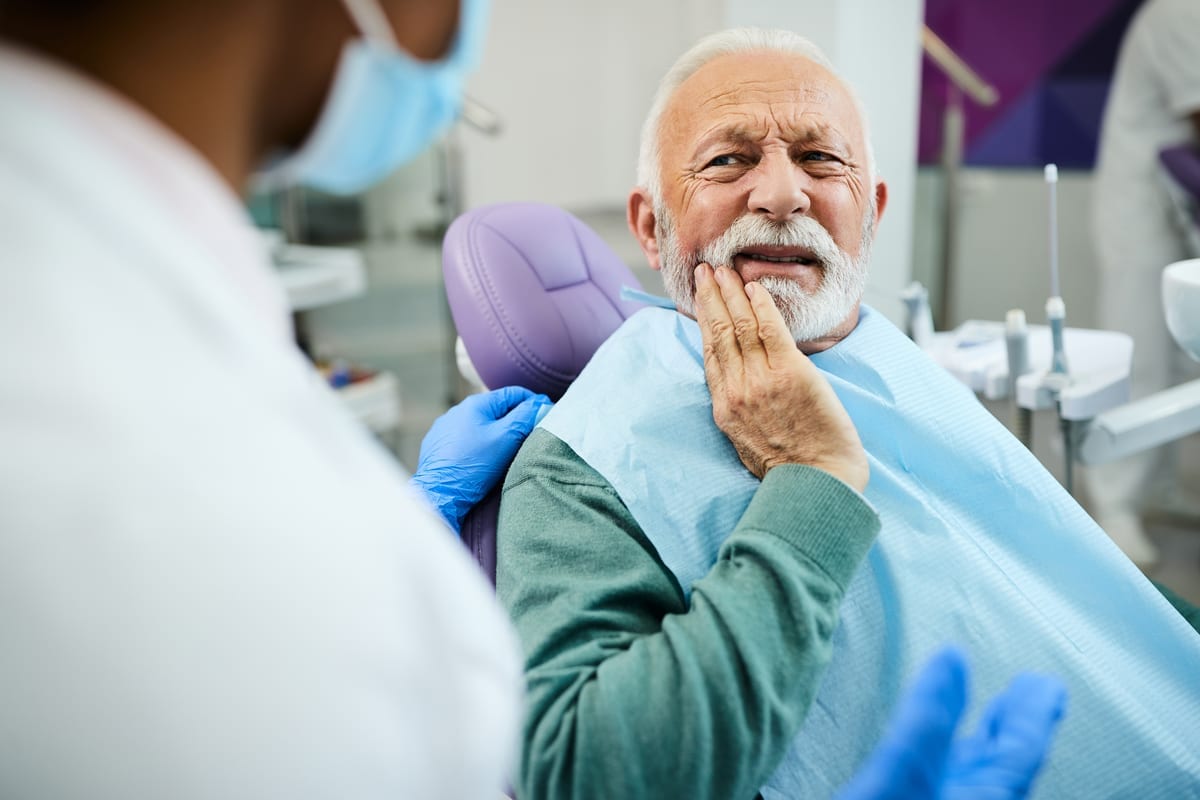
Understanding why your teeth change after 60 and what you can do in Lincoln Park is more important than many people realize. Aging affects nearly every system in your body — and your mouth is no exception. At Advanced Dental Center – Lincoln Park, Dr. Armand del Rosario works with older adults every day to address these specific challenges. The good news is that most age-related dental changes are manageable with the right care.
How Aging Affects Your Oral Health After 60
Your mouth goes through significant changes as you age. Gum tissue tends to recede, exposing the sensitive roots of your teeth. This makes teeth more vulnerable to decay and sensitivity. Many patients in Lincoln Park first notice these changes during routine checkups.
Bone density in your jaw can also decrease over time. This affects how well your teeth stay anchored. Combined with decades of wear and tear, older teeth are simply more susceptible to damage. Catching problems early makes treatment far easier and less invasive.
Saliva production often drops as well, especially for patients on multiple medications. Reduced saliva leads directly to dry mouth — a condition that significantly increases your cavity risk. Many seniors don’t connect their prescriptions to their dental problems, but the link is very real.
Dry Mouth, Medications, and Root Decay in Lincoln Park Seniors
Dry mouth is one of the most common — and most overlooked — dental issues for adults over 60. Hundreds of common medications list dry mouth as a side effect. These include blood pressure drugs, antihistamines, antidepressants, and diuretics. If you take any of these, your dental risk profile changes significantly.
Saliva does more than keep your mouth comfortable. It neutralizes acids, washes away bacteria, and remineralizes enamel. Without enough saliva, bacteria thrive and acids linger. Root decay can develop quickly as a result.
Root decay is particularly serious because roots lack the hard enamel coating that protects the crowns of your teeth. Decay can progress faster and deeper in root surfaces. Dr. del Rosario recommends more frequent checkups for patients managing dry mouth. Catching early decay means simpler treatment and better outcomes.
- Drink water regularly throughout the day to stay hydrated
- Avoid sugary or acidic drinks that accelerate decay
- Use a fluoride toothpaste specifically designed for dry mouth
- Talk to Dr. del Rosario about prescription fluoride treatments
- Ask your physician if any medications can be adjusted
Gum Recession and Gum Disease: What Seniors Should Know
Gum recession is nearly universal among adults over 60. It happens gradually, often without pain. Many patients don’t notice until a dentist points it out. Exposed roots are not just a cosmetic concern — they signal increased vulnerability.
When gums recede, pockets form between the gum line and the tooth. Bacteria collect in these pockets and can trigger gum disease. Left untreated, gum disease destroys the bone and tissue that hold your teeth in place. It is a leading cause of tooth loss in older adults.
Gum disease treatment at Advanced Dental Center – Lincoln Park may include deep cleaning procedures like scaling and root planing. These treatments remove built-up tartar below the gum line. They help the gum tissue reattach and heal. Dr. del Rosario tailors every treatment plan to the patient’s specific condition.
- Bleeding or swollen gums are early warning signs
- Persistent bad breath can indicate gum infection
- Loose teeth suggest advanced bone loss
- Pain when chewing may signal gum or root problems
If you notice any of these signs, don’t wait to seek care. Early-stage gum disease responds very well to treatment. Advanced disease requires more intensive intervention. Prompt action protects both your teeth and your overall health.
Tooth Loss Solutions: Dentures, Bridges, and Dental Implants
Tooth loss becomes more common after 60. Whether from decay, gum disease, or injury, missing teeth affect far more than your smile. They change how you chew, speak, and feel about your appearance. Fortunately, several effective solutions exist for Lincoln Park patients.
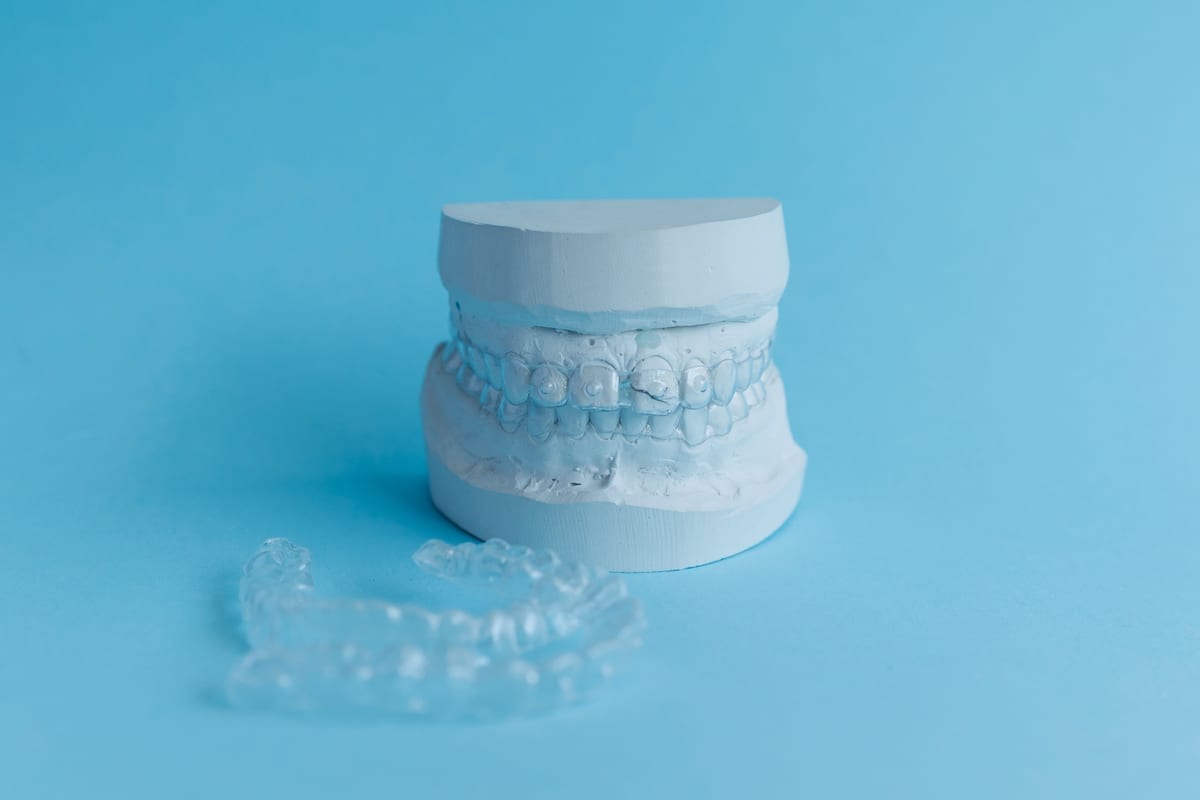
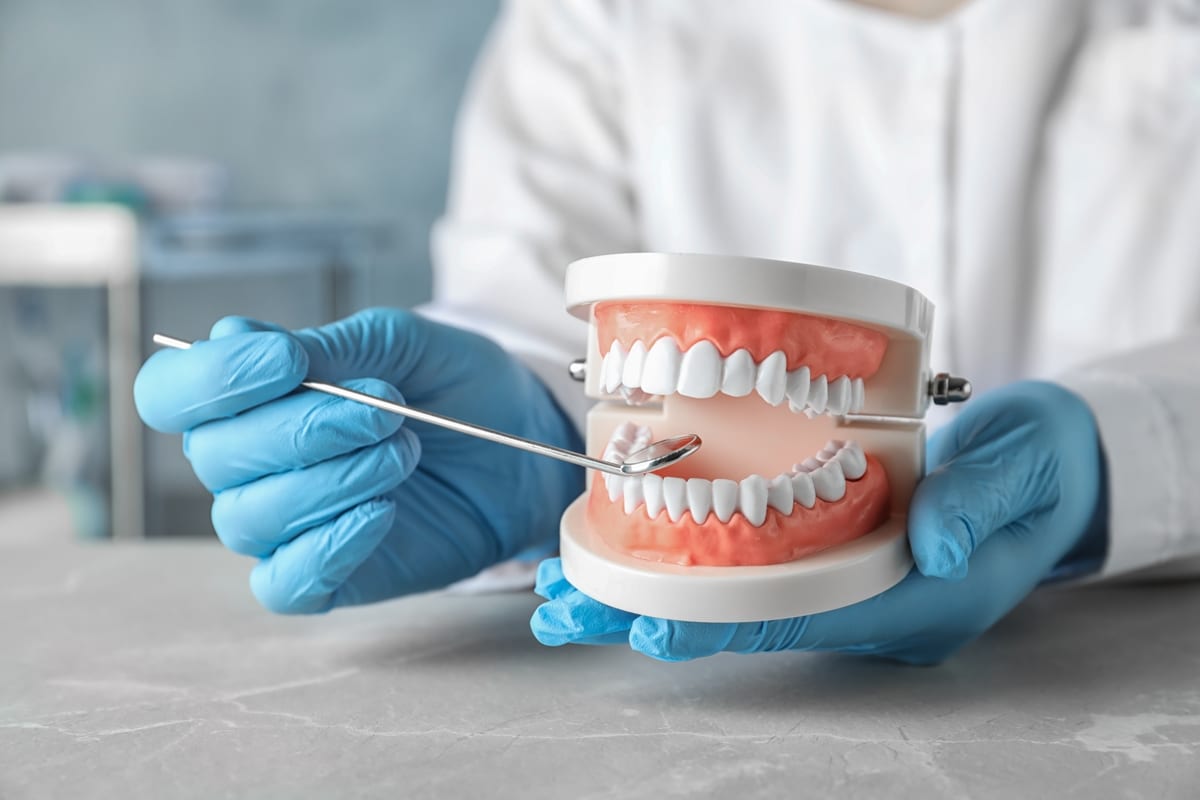
Dentures remain a practical option for patients who have lost many or all of their teeth. Modern dentures fit more comfortably and look more natural than older versions. Dr. del Rosario offers both full and partial dentures. A well-fitted denture restores function and confidence.
Dental bridges are ideal when one or a few teeth are missing. A bridge anchors to neighboring teeth and fills the gap with a natural-looking replacement. This prevents surrounding teeth from shifting out of position. Bridges are fixed in place, so there is no removal required.
Dental implants are often the most durable long-term solution. They fuse with the jawbone and function like natural teeth. Implants also preserve bone density, which dentures and bridges cannot do. Dr. del Rosario evaluates each patient’s bone health and medical history to determine implant candidacy.
When to Seek Emergency Dental Care After 60
Dental emergencies can happen at any age, but older adults face specific risks. A cracked tooth, sudden infection, or lost crown needs prompt attention. Waiting can allow a minor problem to become a serious one. Emergency Dentistry Lincoln Park services at Advanced Dental Center are designed to help patients get fast, effective care when it matters most.
Infections in particular can spread quickly in older adults. The immune system becomes less responsive with age. A tooth abscess left untreated can become a systemic health threat. Never dismiss dental pain or swelling — seek evaluation right away.
Tooth pain that lingers may also indicate a need for Root Canal Treatment Lincoln Park patients rely on to save infected teeth. A root canal removes the infected tissue inside the tooth. It relieves pain and prevents extraction. This procedure is far more comfortable today than most patients expect.
Building a Senior Dental Care Routine That Works
Prevention remains your most powerful tool after 60. A consistent daily routine dramatically reduces your risk of decay, gum disease, and tooth loss. Dr. del Rosario and the team at Advanced Dental Center – Lincoln Park help patients build habits that match their specific health needs.
Brush twice daily with a soft-bristled toothbrush. Use fluoride toothpaste to strengthen enamel and roots. Floss every day to remove bacteria from between teeth. If arthritis makes these tasks difficult, ask about electric toothbrushes or floss picks.
Routine dental visits are especially important in your 60s and beyond. Dr. del Rosario recommends checkups every six months for most patients. Some patients with gum disease or high decay risk benefit from more frequent visits. These appointments allow early detection of problems before they escalate.
Frequently Asked Questions
Why do teeth become more sensitive after age 60?
Sensitivity increases because gum recession exposes tooth roots, which lack enamel protection. Enamel also wears thinner with decades of use. Root surfaces respond more strongly to hot, cold, and sweet stimuli. A dentist can recommend desensitizing treatments and protective products to manage discomfort.
Can dry mouth be treated, or do I just have to live with it?
Dry mouth can be managed effectively with the right approach. Staying well-hydrated, using saliva-stimulating products, and applying prescription fluoride treatments all help. Dr. del Rosario may also coordinate with your physician to review medications contributing to dryness. There are real steps you can take to reduce your risk.
Am I too old for dental implants?
Age alone does not disqualify someone from receiving dental implants. What matters most is adequate bone density and overall health. Many patients in their 70s and 80s successfully receive implants. Dr. del Rosario conducts a thorough evaluation before recommending any implant procedure.
How often should seniors visit the dentist?
Most adults over 60 should visit the dentist at least twice a year. Patients with gum disease, dry mouth, or a history of frequent cavities may need more frequent appointments. Regular visits allow Dr. del Rosario to catch problems early and adjust your care plan as your needs change.
What is the difference between a dental bridge and a partial denture?
A dental bridge is a fixed restoration anchored permanently to adjacent teeth. A partial denture is a removable appliance that fills in gaps left by missing teeth. Both restore function and appearance effectively. Dr. del Rosario helps each patient choose the option that best fits their oral health and lifestyle.
Your dental health after 60 deserves expert, personalized attention. Dr. Armand del Rosario and the team at Advanced Dental Center – Lincoln Park are here to support you through every stage of aging. You don’t have to accept tooth loss, pain, or discomfort as inevitable. Book Now to schedule your appointment with our team.