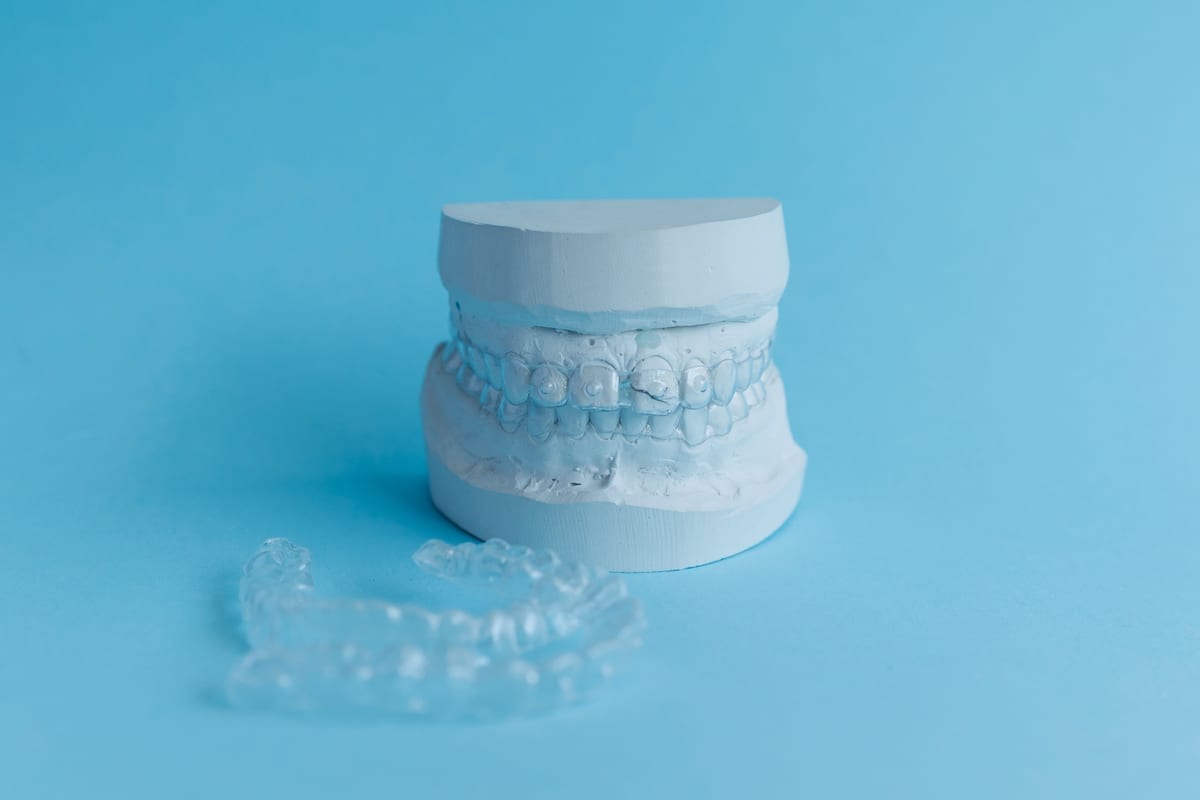
Maintaining your Invisalign aligners properly is crucial for ensuring the effectiveness of your treatment and achieving that perfect smile. As an experienced Invisalign Dentist in Lincoln Park, I’m here to share essential tips and best practices to help you keep your aligners in top condition throughout your orthodontic journey.
Why Proper Maintenance is Important
Invisalign aligners are a popular choice for straightening teeth due to their nearly invisible appearance and convenience. However, they require diligent care to remain clear, hygienic, and effective. Improper maintenance can lead to staining, bad breath, and even impede the progress of your treatment. Here’s how to keep your aligners clean and your treatment on track.
Daily Cleaning Routine
1. Rinse Upon Removal
Whenever you remove your Invisalign aligners, make it a habit to rinse them immediately. This helps wash away saliva and plaque, preventing them from drying and sticking to the aligners. Use lukewarm water—avoid hot water as it can warp the plastic.
2. Brush and Floss Your Teeth
Make sure you thoroughly brush and floss your teeth before putting your aligners back in. By doing this, you can avoid cavities and bad breath caused by food particles and germs becoming stuck between your teeth and the aligners. Make sure you use a soft-bristled toothbrush and non-abrasive toothpaste to avoid damaging your aligners.
3. Clean Your Aligners
Clean your aligners every day using a clear, unscented antibacterial soap and a soft toothbrush. Avoid using toothpaste, as it can be abrasive and create scratches on the aligners, making them more visible and prone to collecting bacteria. Special Invisalign cleaning crystals or solutions are also available and can be used periodically for a more thorough cleaning.
4. Soak Your Aligners
Soaking your aligners daily in a denture cleaner, retainer cleaner, or Invisalign cleaning crystals can help remove plaque and bacteria. Follow the instructions on the cleaning product, and ensure you rinse your aligners thoroughly with lukewarm water before reinserting them into your mouth.
Handling and Storing Your Aligners
1. Handle with Care
When removing your aligners, use gentle pressure to avoid bending or cracking them. Start from one side and slowly work your way around. Avoid using your nails or other tools that could damage the aligners.
2. Use a Case
Always store your aligners in their protective case when not in use. Leaving them exposed can lead to contamination, loss, or damage. Make it a habit to carry your case with you, especially when dining out.
3. Keep Away from Hot Water
Never expose your aligners to hot water or any heat source. High temperatures can distort the plastic, rendering them ineffective. Stick to lukewarm or cool water for rinsing and cleaning.
Eating and Drinking with Aligners
1. Remove Before Eating or Drinking
Always remove your aligners before eating or drinking anything other than water. Food particles and sugary or acidic beverages can get trapped under the aligners, leading to tooth decay and staining.
2. Clean Teeth After Meals
After eating, brush and floss before reinserting your aligners. If brushing isn’t possible, at least rinse your mouth and the aligners with water to minimize the risk of plaque buildup.
Monitoring Your Treatment
1. Follow the Wear Schedule
Adhere to the recommended wear schedule provided by your Invisalign Dentist in Lincoln Park. Typically, aligners should be worn 20-22 hours a day, only being removed for eating, drinking, brushing, and flossing.
2. Change Aligners as Directed
Switch to your new set of aligners according to the schedule given by your dentist, usually every one to two weeks. Delaying or speeding up the switch can negatively affect your treatment outcome.
3. Attend Regular Check-Ups
Regular check-ups with your Invisalign dentist are crucial for monitoring your progress and addressing any issues. Your dentist will ensure that your teeth are moving as planned and make any necessary adjustments.
Managing Common Issues
1. Dealing with Discomfort
Some discomfort is normal when switching to a new set of aligners. This typically lasts for a few days. To manage the discomfort, you can use over-the-counter pain relievers and stick to a soft food diet.
2. Addressing Stains and Odors
If your aligners become stained or develop an odor, try soaking them in a solution of half water and half vinegar for about 30 minutes, then brush them gently with a soft toothbrush. Avoid using colored mouthwashes or harsh chemicals as these can discolor and damage the aligners.
3. Handling Damage
If your aligners become cracked or damaged, contact your Invisalign dentist immediately. Do not attempt to repair them yourself, as this can compromise the treatment. Your dentist will advise whether you should continue using the damaged aligner or switch to the next one.
Long-Term Care
1. Retainers Post-Treatment
After completing your Invisalign treatment, you will likely need to wear a retainer to maintain your new smile. Retainers require similar care to aligners. Clean them daily, handle them carefully, and store them properly when not in use.
2. Maintain Oral Hygiene
Continue practicing good oral hygiene even after your treatment is complete. Regular brushing, flossing, and dental check-ups are essential for keeping your teeth and gums healthy.
Maintaining your Invisalign aligners properly is key to achieving the best results from your treatment. By following these tips from an Invisalign Dentist in Lincoln Park, you can ensure your aligners remain clean, effective, and comfortable throughout your orthodontic journey. Remember, diligent care and adherence to your dentist’s instructions will help you achieve the beautiful, straight smile you’ve always wanted.