Becoming a new parent is a rewarding experience, but it can also be overwhelming. Amid the whirlwind of sleepless nights and constant diaper changes, dental care may not seem a top priority. However, caring for your teeth is crucial, especially for new parents. Stress, hormonal changes, and irregular routines can affect your oral health, making it essential to stay on top of your dental hygiene. Here’s what you need to know to maintain good oral health during this busy time.
Don’t Neglect Your Dental Hygiene Routine
With the excitement of a new baby, it’s easy to let personal habits slip. However, brushing and flossing should never be overlooked, especially for new parents. Lack of sleep and a hectic schedule can increase your risk of tooth decay and gum disease. You might not feel like it, but maintaining oral hygiene is vital, as your dentist in Lincoln Park suggests.
Brush your teeth twice daily with fluoride toothpaste, and don’t forget to floss. Regular brushing and flossing remove plaque, which can lead to cavities and gum disease. Use mouthwash as well to kill bacteria and freshen your breath.
Postpartum Changes and Your Dental Health
New parents often experience hormonal changes that can affect their oral health. After giving birth, many mothers experience postpartum gingivitis, a condition that causes red, swollen, and bleeding gums. This is due to the changes in hormone levels during pregnancy, which can make gums more sensitive.
A dry mouth is also standard after childbirth due to stress, hormonal changes, or medications. A dry mouth can lead to an increase in cavities and discomfort. Drinking plenty of water and chewing sugar-free gum can help combat dry mouth.
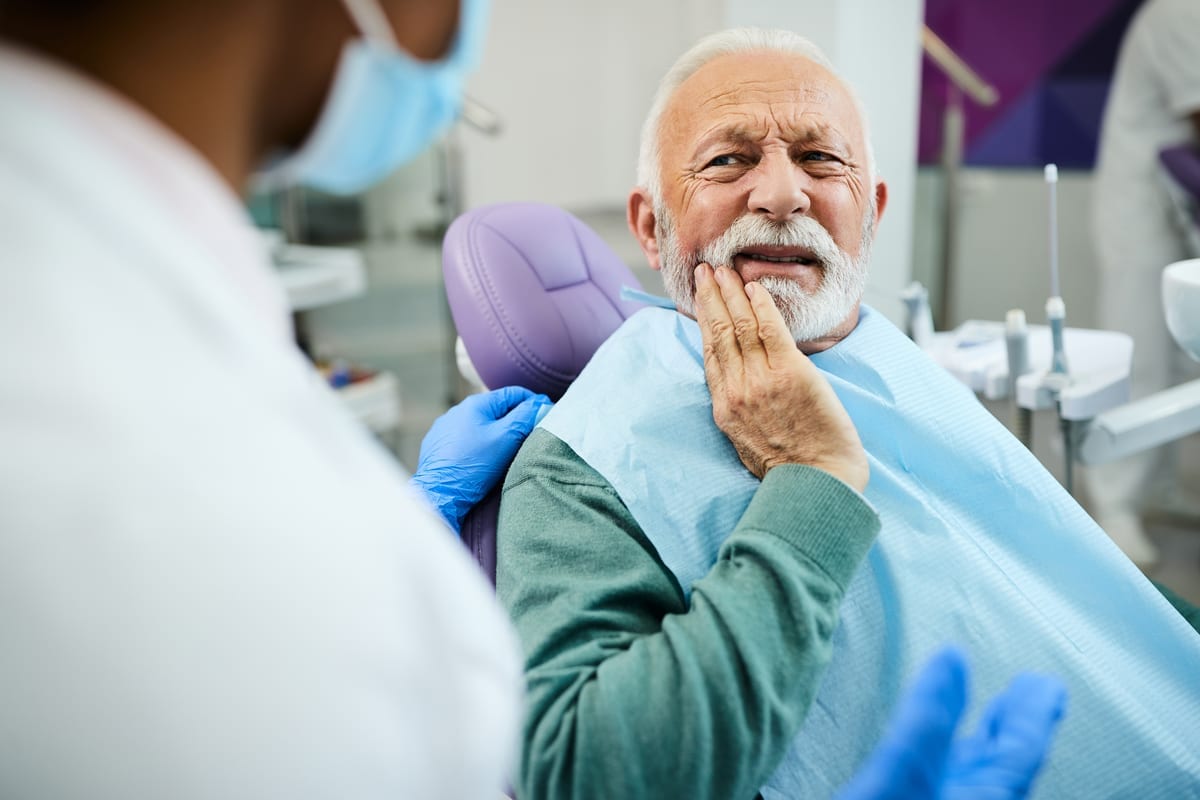
If you’re experiencing any issues, don’t hesitate to visit your dentist. Regular checkups will help address concerns early and keep your oral health in check.
Make Time for Regular Dental Visits
Busy new parents often overlook dental visits essential for long-term oral health. Scheduling regular checkups with your dentist will help catch potential problems early. During these visits, your dentist will clean your teeth thoroughly and check for signs of cavities, gum disease, or other oral health concerns.
If you find it challenging to schedule dental appointments, try making them during your baby’s nap time or when your partner can care for the little one. Many dentists offer flexible hours to accommodate busy parents. Regular visits will give you peace of mind and help maintain your oral health.
Healthy Diet for Strong Teeth
As a new parent, it’s easy to grab snacks on the go, but your food choices matter for oral health. Consuming sugary foods and drinks can lead to cavities and other dental issues. Instead, choose nutrient-rich foods that help strengthen your teeth and gums.
Eat foods high in calcium, such as dairy products, leafy greens, and fortified alternatives. Vitamin C-rich foods like oranges and strawberries also help keep your gums healthy. These nutrients support oral health, helping prevent dental issues while boosting your immune system during this busy time. Seek a diet chart from your dentist to make your life easier.
Additionally, remember to stay hydrated, as water helps wash away food particles and bacteria, reducing the risk of cavities.
Teach Your Child Good Oral Habits Early
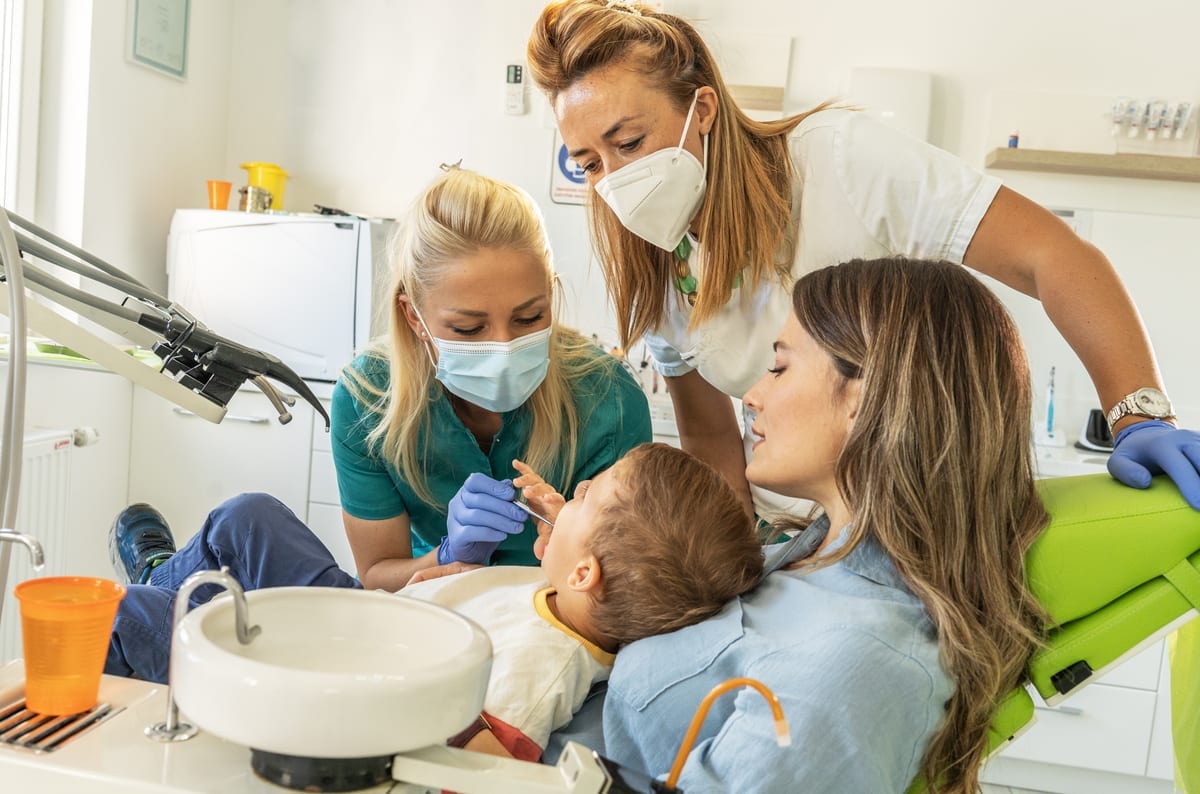
As a new parent, you’re not only caring for your teeth—you’re setting the foundation for your child’s oral health. Start brushing your baby’s teeth as soon as the first tooth appears. Use a soft toothbrush and water to clean their teeth gently. As they grow, you can introduce fluoride toothpaste to help protect their teeth from cavities.
It’s essential to avoid putting your baby to bed with a bottle, as it can lead to baby bottle tooth decay. This happens when sugary liquids stay on their teeth overnight. Encourage your child to drink from a sippy cup, and teach them to brush their teeth as soon as possible.
Prioritize Your Oral Health as a New Parent
Dental care for new parents is vital to maintaining overall health and well-being. Despite the challenges of caring for a newborn, oral hygiene should remain a priority. Brush and floss daily, stay hydrated, and eat a balanced diet. Regular visits to the dentist will help catch issues early and prevent major problems. By following these simple steps, you can maintain a healthy smile while caring for your baby. Also, teaching your child good oral habits will set them up for a lifetime of strong, healthy teeth.