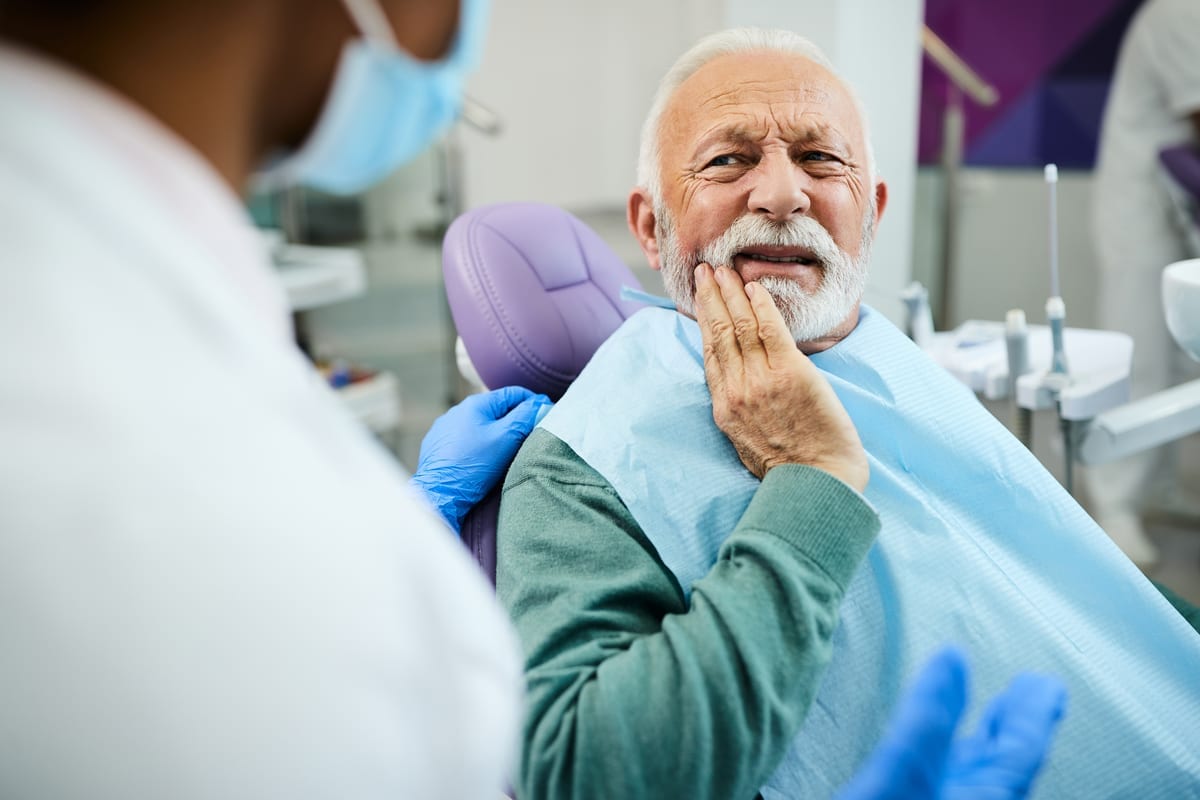
Really, sensitive teeth can be a big pain! A sudden jolt of discomfort with every sip of hot coffee or bite of ice cream can disrupt your daily routine and leave you longing for relief. If you’re experiencing this dental woe, you’re not alone. Millions of people worldwide struggle with sensitive teeth.
This blog post delves into the causes of sensitive teeth and explores various long-term solutions to help you achieve lasting comfort. By understanding the root of the problem and implementing the right strategies, you can finally say goodbye to tooth sensitivity and enjoy all your favorite foods and beverages worry-free.
Understanding Tooth Sensitivity:
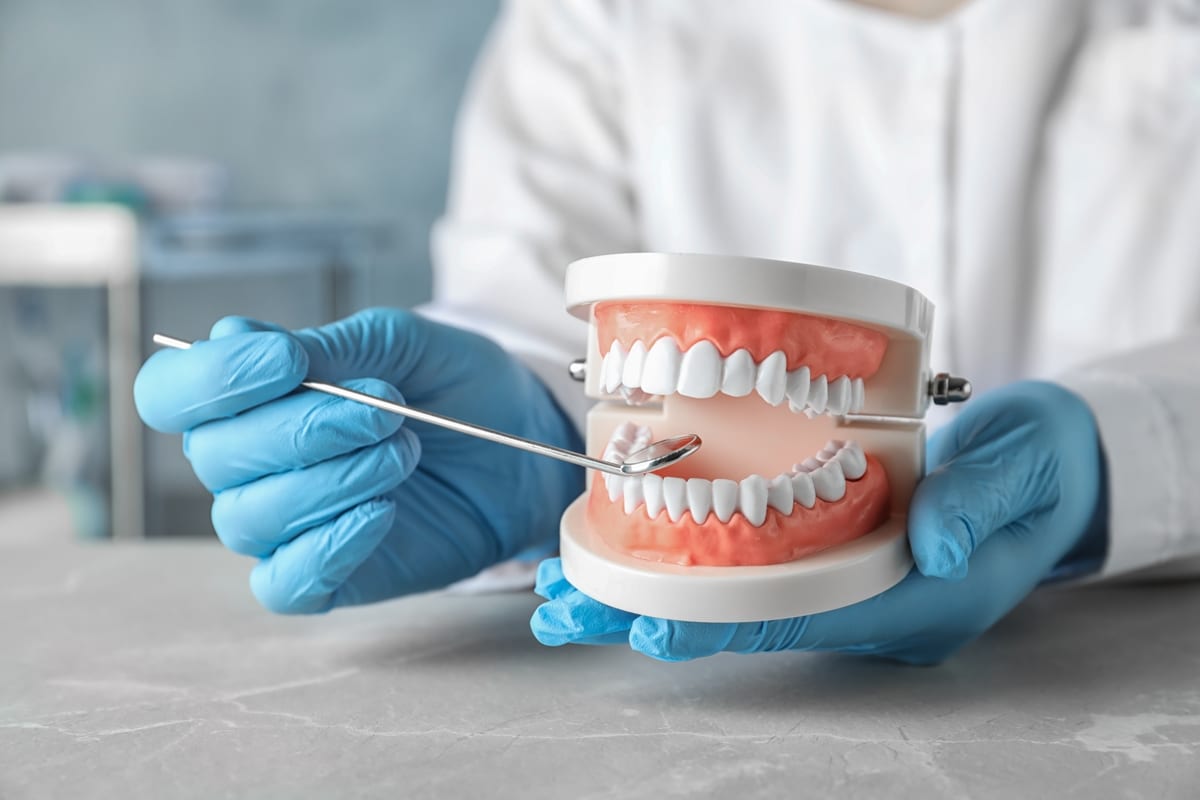
Tooth enamel is the hard, outer layer of your teeth that protects the underlying dentin. Tiny tubules found in dentin connect to the tooth’s nerve center. When the enamel is worn away or compromised, these tubules become exposed, allowing hot, cold, acidic, or sweet substances to stimulate the nerves and cause pain.
Causes of Sensitive Teeth:
Tooth sensitivity can be caused by a number of circumstances, including:
- Receding Gums: Gum recession exposes the root surface of the tooth, which is naturally more sensitive than enamel. Hormonal fluctuations, vigorous brushing, and gum disease are the possible causes of this.
- Worn Enamel: Over time, enamel can erode due to factors like acidic foods and drinks, grinding your teeth, or using a hard-bristled toothbrush.
- Cracked or Chipped Teeth: Cracks or chips in the tooth can expose the dentin and cause sensitivity.
- Dental Procedures: Certain dental procedures, such as fillings or crowns, can sometimes cause temporary sensitivity.
Finding Long-Term Relief:
If you’re experiencing tooth sensitivity, there are several effective strategies to achieve lasting comfort. Here are some key steps to consider:
- Consult a Dentist in Lincoln Park: A thorough examination by a dentist in Lincoln Park is crucial to determine the cause of your sensitivity and recommend the most appropriate treatment plan. They can assess your oral health, identify any underlying issues, and provide personalized advice.
- Improve Your Brushing Habits: Using a soft-bristled toothbrush and gentle brushing technique can help prevent further enamel erosion. Focus on cleaning the surfaces of your teeth and avoid aggressive scrubbing at the gum line.
- Use a Desensitizing Toothpaste: Many over-the-counter toothpastes are formulated with ingredients like potassium nitrate or stannous fluoride that can help block the tubules in your dentin and reduce sensitivity. These toothpastes typically require regular use for several weeks to achieve optimal results.
- Consider a Mouthwash: Desensitizing mouthwashes can also complement your toothpaste routine and provide additional relief. Look for a mouthwash containing potassium nitrate or strontium chloride, which can help desensitize the nerves in your teeth.
- Dietary Modifications: Certain foods and drinks can aggravate tooth sensitivity. Consider limiting your intake of acidic foods and beverages like citrus fruits, soda, and coffee. Try consuming these items with a straw to minimize contact with sensitive tooth surfaces.
- Professional Treatments: Depending on the cause and severity of your sensitivity, your dentist in Lincoln Park might recommend professional treatments. These could include fluoride treatments, bonding to repair chipped teeth, or gum grafting procedures to address receding gums.
Maintaining Long-Term Comfort:
Here are some additional tips to maintain long-term comfort after achieving relief from tooth sensitivity:
- Schedule Regular Dental Checkups and Cleanings: Regular dental visits are essential for monitoring your oral health and preventing issues that could contribute to sensitivity. Professional cleanings remove plaque and tartar buildup, promoting healthy gums and protecting your enamel.
- Replace Your Toothbrush Regularly: Toothbrushes become less effective over time. At an interval of three to four months, or sooner if the bristles start to fray, replace your toothbrush.
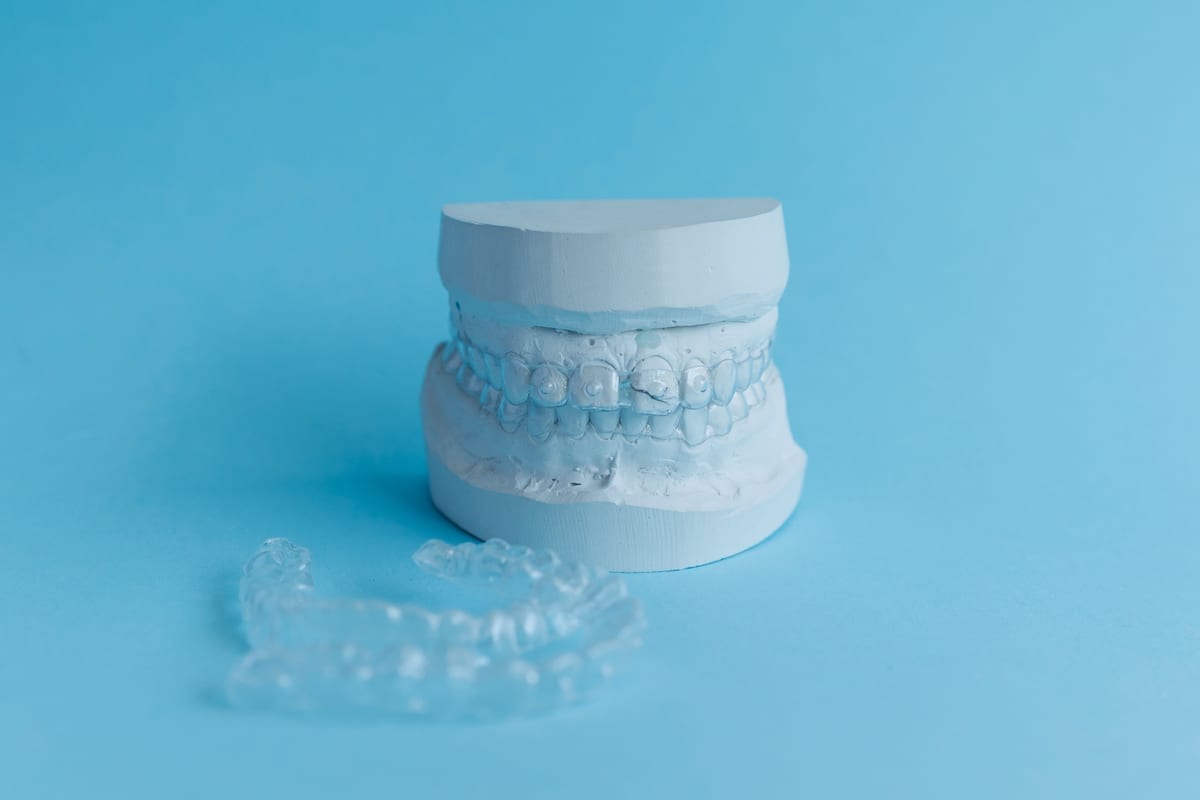
- Use a Mouthguard: If you grind your teeth at night, a mouthguard can help prevent further enamel wear and protect your teeth from sensitivity.
- Manage Stress: Stress can worsen tooth sensitivity. Consider stress-reduction techniques like meditation or yoga to promote overall well-being.
Living with sensitive teeth doesn’t have to be the norm. By understanding the causes and implementing the right long-term solutions, you can achieve lasting comfort and enjoy a pain-free smile. Remember, consulting a dentist in Lincoln Park is the first step to finding relief.
Embracing Sensitive Teeth: Additional Considerations and Lifestyle Habits
While the previous section focused on core solutions, here are some additional factors to consider for managing sensitive teeth and incorporating them into your lifestyle:
Addressing Underlying Issues:
- Gum Disease: If gum disease is contributing to your sensitivity, your dentist in Lincoln Park will recommend treatment to address the infection and promote healthy gum tissue. This can significantly reduce sensitivity over time.
- Teeth Grinding: If teeth grinding is a culprit, wearing a mouthguard at night can prevent further enamel wear and minimize sensitivity. Your dentist can help determine the best type of mouthguard for you.
Alternative Therapies:
- Fluoride Varnish: In some cases, your dentist might recommend professional fluoride varnish applications to strengthen your tooth enamel and provide additional protection against sensitivity.
- Laser Treatment: While less common, some dentists offer laser therapy to desensitize teeth. This procedure involves using a laser to seal the dentin tubules and reduce sensitivity.
Holistic Approaches:
- Diet: In addition to limiting acidic foods, consider incorporating foods rich in calcium and vitamin D, which are essential for maintaining strong teeth and healthy gums. Leafy greens, dairy products, and fatty fish are good sources of these nutrients.
- Hydration: Staying hydrated helps produce saliva, which naturally washes away food particles and neutralizes acids in the mouth. Drinking plenty of water throughout the day can benefit your overall oral health and potentially reduce sensitivity.
- Stress Management: Chronic stress can exacerbate tooth sensitivity. Practicing stress-reduction techniques like yoga, meditation, or deep breathing exercises can be beneficial for your overall well-being and potentially reduce sensitivity symptoms.
Living with Sensitive Teeth:
- Gradual Temperature Changes: When consuming hot or cold beverages, try taking smaller sips or using a straw to minimize the initial shock to your sensitive teeth.
- Desensitizing Techniques: Some people find relief by gently rubbing their fingers on their teeth with a desensitizing toothpaste before brushing. This can help numb the nerves and reduce sensitivity temporarily.
- Dental Products for Sensitive Teeth: Look for toothbrushes and floss specifically designed for sensitive teeth. These products typically have softer bristles and gentler materials to minimize irritation.
With dedication and the right approach, you can enjoy a pain-free smile and savor all your favorite foods and drinks without worry.