THE CARE BEHIND A HEALTHY SMILE
Dental fillings Lincoln Park
- LaKya Hanna
5.0

Dental FILLINGS Lincoln Park, MI
Our dentists offer dental fillings to treat cavities. Dental fillings can also be also used to repair cracked or broken teeth. Ask a team member about tooth-colored fillings that make your mouth look more natural and attractive.
Your teeth and gums were designed to last a lifetime — and they can with proper care. A lifetime of good dental health requires daily care of teeth and gums along with regular dental check-ups. The American Dental Association recommends visits to your dentist regularly for professional cleanings and oral exams.
What Are Dental Fillings?
Dental fillings are restorations used to repair teeth affected by decay, minor fractures, or structural damage. The procedure involves removing damaged tooth material when necessary and restoring the area with an appropriate dental material. A filling helps restore the tooth’s shape, function, and ability to withstand normal chewing forces. It also seals the prepared area to reduce bacterial leakage.
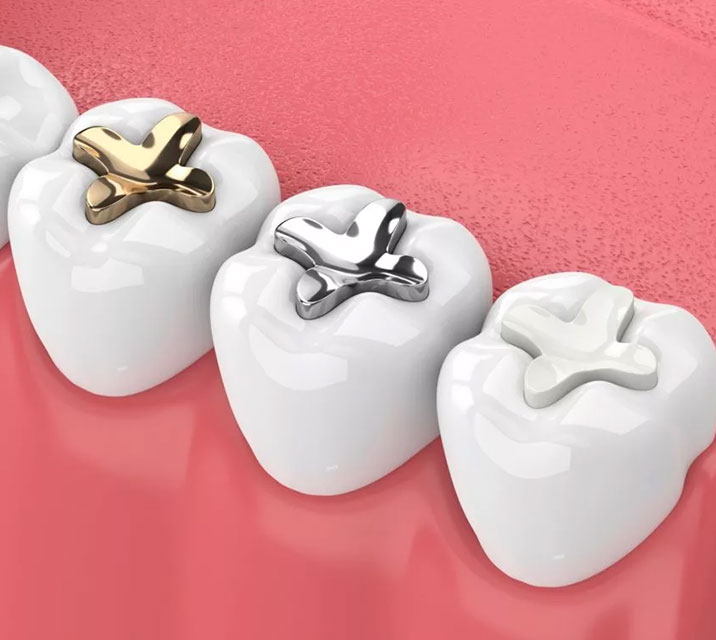
Modern dentistry offers several filling materials, including tooth-coloured composite resin and traditional amalgam. The appropriate choice depends on the tooth’s location, the extent of damage, and individual treatment considerations.
At Advanced Dental Center – Lincoln Park, we evaluate the condition of your tooth before recommending a filling or another restorative procedure.
What Are the Signs You May Need a Dental Filling?
Cavities and minor tooth damage do not always cause immediate pain. However, certain symptoms may indicate that a tooth needs professional attention.
Tooth Sensitivity to Hot, Cold, or Sweet Foods
Sensitivity may develop when enamel becomes damaged or decay reaches the underlying dentin. You might notice discomfort when drinking cold water or eating something sweet. Sensitivity can have several causes, so an examination is necessary to determine whether a filling is appropriate.
Visible Holes or Dark Spots on Teeth
Cavities may appear as small holes or areas of discolouration. However, not every dark spot indicates decay, and some cavities are difficult to see without dental imaging.
Pain When Biting or Chewing
Discomfort when chewing may indicate decay, a cracked tooth, or a damaged restoration. Your dentist can examine the tooth to identify the cause.
Chipped or Slightly Broken Teeth
Minor fractures may sometimes be repaired using filling materials. More extensive damage may require a dental crown or another restorative treatment.
A Loose or Damaged Filling
Existing fillings can wear, fracture, or become loose over time. A damaged restoration may expose underlying tooth structure to bacteria and sensitivity.
Food Frequently Getting Stuck Between Teeth
Changes in tooth shape or damaged restorations can create spaces where food becomes trapped. An examination can determine whether decay or another dental concern is responsible.
If you experience any of these symptoms, scheduling a dental evaluation can help prevent further complications.
What Causes Tooth Decay and Cavities?
Tooth decay develops when acids produced by bacteria in dental plaque gradually remove minerals from the tooth’s hard surfaces. Frequent exposure to sugary or starchy foods can increase acid production. Over time, repeated mineral loss may create a cavity that requires restorative treatment.
Common risk factors include:
- Inconsistent brushing and flossing.
- Frequent consumption of sugary snacks or beverages.
- Plaque accumulation in hard-to-reach areas.
- Dry mouth or reduced saliva production.
- Deep grooves in the chewing surfaces of teeth.
- Existing restorations with damaged margins.
- Certain medical conditions or medications that affect oral health.
Early enamel changes may sometimes be managed through preventive care and remineralization. However, once a cavity has formed, a dental filling or another restoration is often necessary. Regular examinations help your dentist identify decay and determine the appropriate treatment.
What Are the Benefits of Dental Fillings?
Dental fillings restore damaged areas while preserving as much healthy tooth structure as reasonably possible.
Restore Tooth Function
A filling rebuilds the damaged portion of a tooth, helping restore normal chewing and biting function.
Prevent Further Damage
Removing decay and sealing the affected area helps prevent bacteria from continuing to damage the prepared tooth structure. However, new cavities can still develop around fillings if oral hygiene and preventive care are neglected.
Preserve Natural Teeth
For teeth with limited damage, fillings provide a conservative alternative to more extensive restorations.
Improve Tooth Appearance
Tooth-coloured filling materials can blend with surrounding enamel, making restorations less noticeable.