THE CARE BEHIND A HEALTHY SMILE
Porcelain VENEERS Lincoln Park
- LaKya Hanna
5.0

VENEERS
You no longer need to hide your smile because of gaps, chips, stains, or misshapen teeth. With veneers, you can easily correct your teeth’s imperfections to help you have a more confident, beautiful smile. Veneers are natural in appearance and are a perfect option for patients wanting to make minor adjustments to the look and feel of their smile.
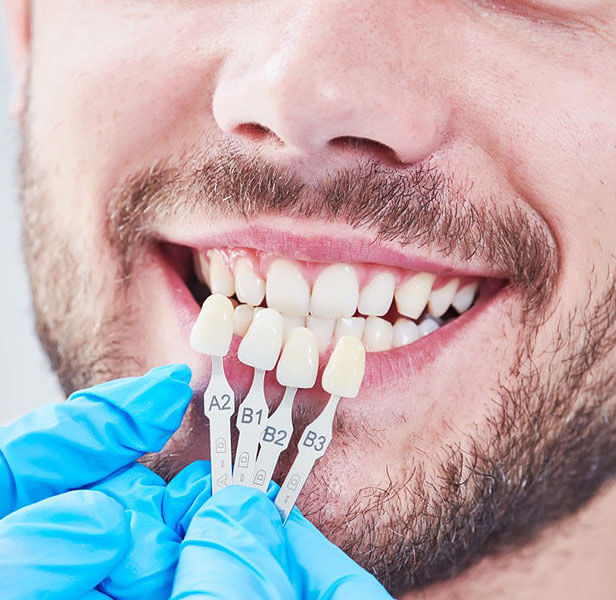
Veneers are thin, custom-made shells made from tooth-colored materials (such as porcelain) designed to cover the front side of your teeth. To prepare for veneers, your doctor will create a unique model of your teeth. This model is sent to a dental technician who creates your veneers. Before placing your new veneer, your doctor may need to conservatively prepare your tooth to achieve the desired aesthetic result.
When placed, you’ll be pleased to see that veneers look like your natural teeth. While veneers are stain resistant, your doctor may recommend that you avoid coffee, tea, red wine, and tobacco to maintain the beauty of your new smile.
What Dental Problems Can Veneers Correct?
Dental veneers can address several cosmetic concerns, sometimes improving multiple aspects of a smile through one treatment plan.
Chipped or Slightly Damaged Teeth
Minor chips along the front edges of teeth can make a smile appear uneven. Veneers can cover selected imperfections and restore a more balanced appearance. Teeth with extensive fractures or significant structural damage may require crowns or other restorative treatment instead.
Stubborn Tooth Discolouration
Some stains do not respond predictably to professional teeth whitening. Veneers can cover certain types of discolouration and create a more consistent tooth shade. Our Lincoln Park dentist will evaluate the cause of the discolouration before recommending treatment.
Small Gaps Between Teeth
Dental veneers may help close minor spaces between front teeth by changing their visible width and shape. Larger gaps or significant alignment problems may require orthodontic treatment rather than veneers.
Uneven or Misshapen Teeth
Teeth that appear unusually small, narrow, or irregularly shaped can affect smile symmetry. Custom veneers may improve their proportions and create a more balanced appearance.
Worn Tooth Edges
Teeth can gradually become worn because of grinding, bite problems, or natural use. Veneers may improve the appearance of selected worn teeth when sufficient healthy tooth structure remains. The underlying cause of tooth wear should be addressed before cosmetic treatment.
What Are the Benefits of Porcelain Veneers?
Porcelain veneers offer several cosmetic advantages for patients who want to improve their smile.
Natural-Looking Appearance
Dental porcelain can reproduce many of the visual characteristics of natural enamel. Veneers are designed to complement surrounding teeth and facial features.
Improved Tooth Colour
Veneers can conceal certain types of discolouration that may not respond to whitening. Patients can discuss a suitable shade that complements their natural smile.
Improved Smile Symmetry
Veneers can modify the appearance of teeth that are uneven, undersized, or slightly irregular. Careful planning helps create balanced proportions.
Resistance to Everyday Staining
Porcelain generally resists staining better than natural enamel and composite resin. However, surrounding natural teeth can still become discoloured.
Long-Term Cosmetic Results
With proper care, porcelain veneers can remain functional and attractive for many years. Their lifespan depends on oral hygiene, bite forces, material quality, and other factors.
Conservative Treatment for Suitable Teeth
Compared with a full dental crown, a veneer may require less removal of natural tooth structure. However, conventional veneer preparation is generally irreversible.
Are You a Candidate for Dental Veneers?
Veneers may be appropriate if you have healthy teeth and gums but want to improve certain cosmetic imperfections.
You may be a candidate if:
- You have chipped or uneven front teeth.
- Your teeth are discoloured and don’t respond well to whitening.
- You want to improve minor gaps between teeth.
- Your teeth appear too small or irregularly shaped.
- You have sufficient healthy enamel to support veneer bonding.
- You want a long-term cosmetic treatment and understand its maintenance requirements.
Not every patient is an appropriate candidate. Untreated cavities, active gum disease, significant tooth grinding, and certain bite problems may need attention before veneer placement. Patients with severely damaged teeth may benefit more from dental crowns. Those with significant crowding or misalignment may need orthodontic treatment.
At Advanced Dental Center – Lincoln Park, we evaluate these factors before recommending cosmetic treatment.
What Happens During the Dental Veneers Procedure?
The veneer process generally involves consultation, treatment planning, tooth preparation, and final placement. The number of appointments depends on the veneer material, preparation requirements, and treatment plan.
Step 1: Cosmetic Dental Consultation
Your dentist begins by examining your teeth, gums, and bite. We discuss what you would like to change about your smile and whether veneers can address those concerns. Photographs, dental impressions, or other records may be used to plan the desired tooth shape and appearance.
Step 2: Planning Your New Smile
The dentist considers tooth proportions, smile symmetry, and the appearance of surrounding teeth. You may discuss veneer shade, shape, and how many teeth to treat.The goal is to develop a treatment plan that considers both appearance and oral function.
Step 3: Preparing the Teeth
For conventional porcelain veneers, a small amount of enamel is usually removed from the front surfaces of the selected teeth. The amount of preparation depends on tooth position, veneer thickness, and the desired cosmetic changes. Local anaesthesia may be used when appropriate.
Step 4: Creating Your Custom Veneers
After preparation, impressions or scans are used to create veneers that fit the prepared teeth. When a dental laboratory fabricates veneers, it may place temporary veneers while the permanent restorations are made.
Step 5: Bonding the Veneers
At the placement appointment, your dentist evaluates the veneers’ fit, shape, and appearance. The teeth are prepared for bonding, and the veneers are attached using dental adhesive materials. Our dentist checks the bite and makes appropriate adjustments before completing treatment.
Step 6: Follow-Up and Maintenance
A follow-up visit may be recommended to evaluate your bite, gum response, and comfort. Regular dental examinations help monitor the condition of your veneers and surrounding teeth.
Porcelain Veneers vs. Composite Veneers
Dental veneers can be made from different materials. Understanding the differences can help you discuss appropriate options with your dentist.
Porcelain Veneers
Porcelain veneers are custom-made ceramic restorations bonded to the front of teeth. They offer natural-looking aesthetics, stain resistance, and long-term durability. Conventional porcelain veneers usually require tooth preparation and multiple appointments.
Composite Veneers
Composite veneers use tooth-coloured resin to improve the appearance of teeth. They may be applied directly to the tooth during a dental appointment or fabricated indirectly. Composite restorations can often be repaired more easily but may stain or wear sooner than porcelain.
The appropriate material depends on your tooth condition, cosmetic goals, maintenance expectations, and budget. Advanced Dental Center – Lincoln Park can discuss which veneer options are currently available and appropriate for your needs.
Dental Veneers vs. Teeth Whitening: Which Should You Choose?
Veneers and teeth whitening can both improve smile appearance, but they address different concerns. Professional teeth whitening lightens certain stains within natural teeth. It does not change tooth shape, size, or alignment. Porcelain Veneers cover the front surfaces of selected teeth, allowing changes to their visible colour and shape.
If your primary concern is yellowing or staining, whitening may be a more conservative starting point. If you have stubborn discolouration combined with chips, uneven tooth shapes, or minor spacing concerns, veneers may be worth considering.
At Advanced Dental Center – Lincoln Park, we help patients compare cosmetic dentistry options before choosing a treatment.
How Long Do Dental Veneers Last?
Porcelain veneers often last approximately 10–15 years or longer, although individual results vary. Some veneers require repair or replacement sooner because of fractures, bonding problems, decay, or changes in the supporting teeth.
Factors that influence veneer longevity include:
- Daily brushing and flossing habits.
- Regular dental examinations.
- Tooth grinding or clenching.
- Bite alignment and chewing forces.
- The condition of the underlying teeth.
- Avoiding habits that place excessive pressure on veneers.
Veneers are durable restorations, but they are not permanent. Our dentist can explain the expected lifespan and long-term maintenance considerations before treatment.
How Should You Care for Dental Veneers?
Dental veneers require ongoing care, just like natural teeth.
Brush and Floss Every Day
Brush twice daily with fluoride toothpaste and clean between your teeth every day. Healthy gums and underlying teeth are essential for maintaining veneers.
Avoid Using Your Teeth as Tools
Do not use your teeth to open packaging, bite your fingernails, or hold hard objects. These habits can increase the risk of veneer damage.
Be Careful With Very Hard Foods
Avoid biting directly into ice or other extremely hard objects. Excessive pressure may chip or fracture porcelain restorations.
Address Teeth Grinding
Grinding or clenching can place significant stress on veneers. If you grind your teeth, your dentist may recommend a protective nightguard.
Attend Regular Dental Checkups
Routine examinations allow your dentist to evaluate the veneers, bonding margins, gums, and surrounding teeth.
Maintain Healthy Daily Habits
Although porcelain resists staining, natural teeth can still discolour. Consistent oral hygiene helps maintain a balanced smile appearance.
How Much Do Dental Veneers Cost in Lincoln Park, MI?
The cost of dental veneers depends on several factors, including the material selected, number of teeth treated, preparation requirements, and complexity of the treatment plan.
Porcelain veneers generally cost more than direct composite restorations because of material and laboratory requirements. Additional treatment may be needed if cavities, gum disease, or other dental concerns are identified before veneer placement. Because veneers are commonly considered cosmetic treatments, dental insurance may provide limited or no coverage. Coverage depends on your policy and the clinical reason for treatment.
At Advanced Dental Center – Lincoln Park, our team can discuss estimated costs and available payment options after your consultation.
I love this dentist and they are so pleasant, professional, understanding and they helped me get back on track with my cleaning. Carol and Dr. Del are wonderful!!
